
About Christ in the Smokies Museum & Gardens
Christ in the Smokies Museum & Gardens occupies a specific niche in Gatlinburg's crowded attraction landscape: faith-based, garden-adjacent, and noticeably quieter than most of what lines the Parkway. For visitors who want something other than go-karts and taffy shops, it offers a different pace. The combination of museum exhibits and outdoor gardens means you're not committing to a single type of experience.
What to Expect Inside
The museum side focuses on the life and story of Jesus Christ, which means it's built for two overlapping audiences: visitors with genuine religious interest, and people who want broader cultural and historical context for one of the most documented figures in Western history. These aren't mutually exclusive, and good faith-based museums work for both. The exhibits tend toward the immersive and visual rather than the purely academic, which fits Gatlinburg's general orientation toward experiential tourism. Budget at least an hour for the indoor portion; rushing through misses the point.
The Gardens
The outdoor gardens separate this attraction from most of what Gatlinburg offers. Green, walkable space is genuinely scarce on the main tourist corridor, where square footage goes to retail and restaurants. The gardens add a reflective, slower dimension to the visit — the kind of environment that resets your energy after driving through the congestion on US-441. Timing matters; the gardens read differently in spring bloom versus fall color versus a rainy midweek afternoon, and all of those versions are worth something.
Who Gets the Most From It
This is a faith-oriented attraction, so the honest answer is: visitors with Christian background or genuine curiosity about religious history and art will get more from the museum than someone who stumbled in looking for something to do between lunch and dinner. That said, the gardens skew broader. Multigenerational groups often find this works well precisely because it doesn't demand the same level of shared interest across everyone in the party — some can engage deeply with the exhibits while others walk the grounds.
It's also a reasonable pick if you're traveling with children who are already familiar with Biblical stories; the visual and experiential format tends to hold attention better than text-heavy exhibits.
Tickets and When to Go
Hours shift seasonally, and Gatlinburg as a whole runs hot from late spring through the November leaf season. If the attraction sells timed entry or advance tickets online, use that option. Walk-up lines at Gatlinburg attractions can be slow on summer weekends, and buying the day before effectively removes that friction. If your schedule is flexible, weekday mornings are consistently calmer than weekend afternoons across every paid attraction in town.
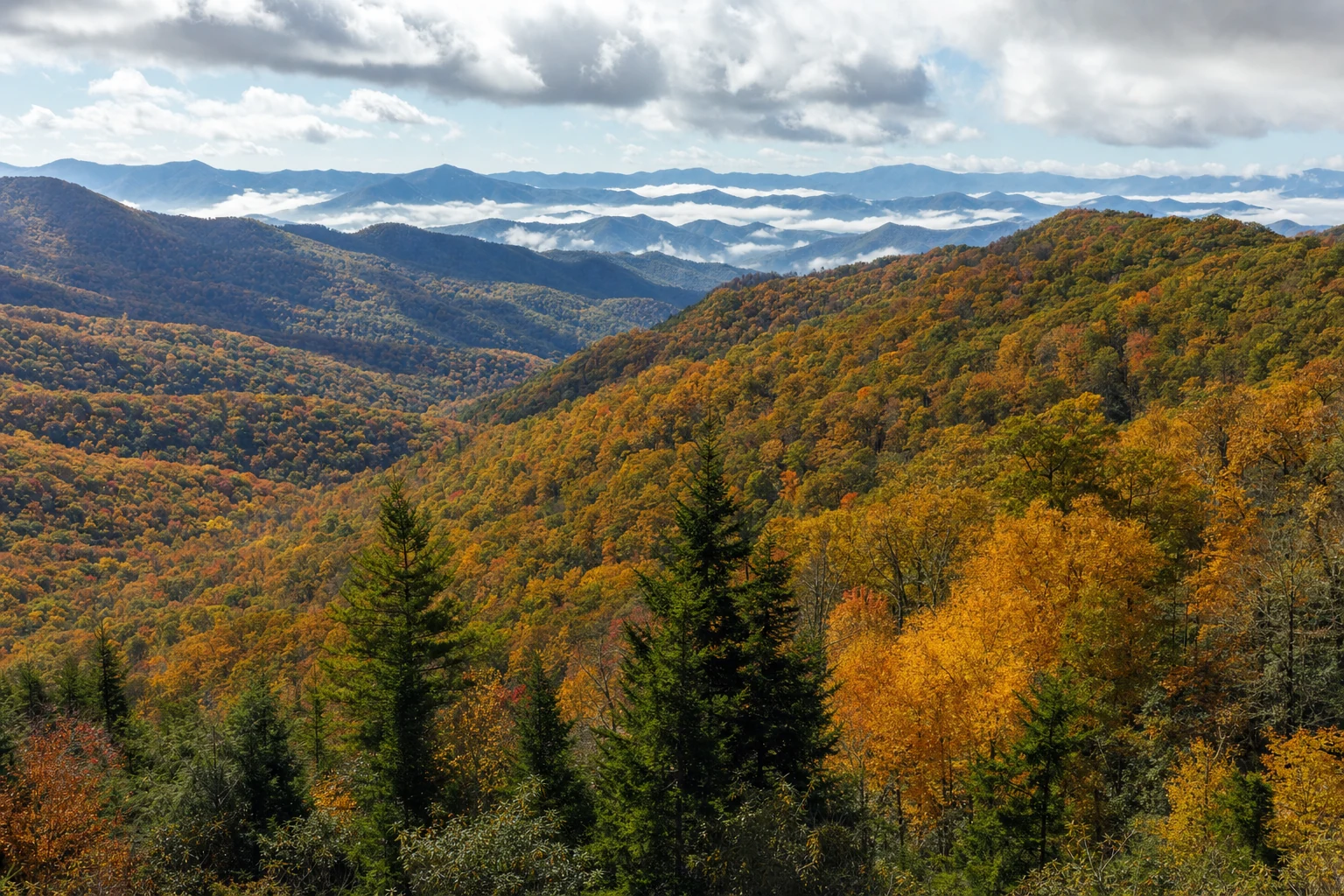
Fall is the peak of peak season in Gatlinburg. The foliage brings heavy traffic to the entire Sevier County corridor, which means parking is harder, restaurants are full, and wait times everywhere extend. If you're visiting in October specifically, build more buffer into your day than you think you need.
Parking and Getting Around
Gatlinburg doesn't have abundant parking, and the municipal lots near the center of the Parkway fill by late morning on busy days. The town's free trolley system covers the main routes through Gatlinburg and connects to the park entrance — a genuinely useful option if your lodging sits along the trolley line, since it takes the parking variable off the table entirely. For central locations, most attractions are walkable once you've got a spot.
Getting into Gatlinburg from I-40 means US-441 south through Pigeon Forge, which is the more direct but consistently congested route, or US-321 from exit 443 near Sevierville, which is longer but often faster in peak season. Either way, the last few miles into town can back up; give yourself time.
Building a Day Around It
Gatlinburg is compact. You can pair Christ in the Smokies with other lower-key stops on the same day without much logistical strain. The Great Smoky Arts & Crafts Community, a loop road east of town featuring working studios and galleries, runs a few miles out and takes most visitors two to three hours to cover at a relaxed pace. The Arrowmont School of Arts and Crafts, closer to the center of town, keeps a small gallery space open to visitors.
For people who also want national park time: the Sugarlands Visitor Center sits just minutes from the Gatlinburg entrance and is the best starting point for understanding current trail conditions, wildlife activity, and any road or closure updates inside GSMNP. The museum and gardens fit well as a midday anchor, with early morning reserved for the park's cooler temperatures and better wildlife odds, and the evening open for dinner in town.
Before You Go
Faith-based attractions vary considerably in how current and well-maintained their exhibits are, so it's worth checking recent visitor reviews before you arrive — not to pre-judge the experience, but to calibrate how much time to allocate and what to prioritize once you're there. Gatlinburg's attraction market is competitive enough that places that coast on reputation don't tend to last; the museum's continued presence suggests the experience holds up. What that experience looks like on any given visit, with current pricing and updated hours, is worth confirming directly with the attraction.