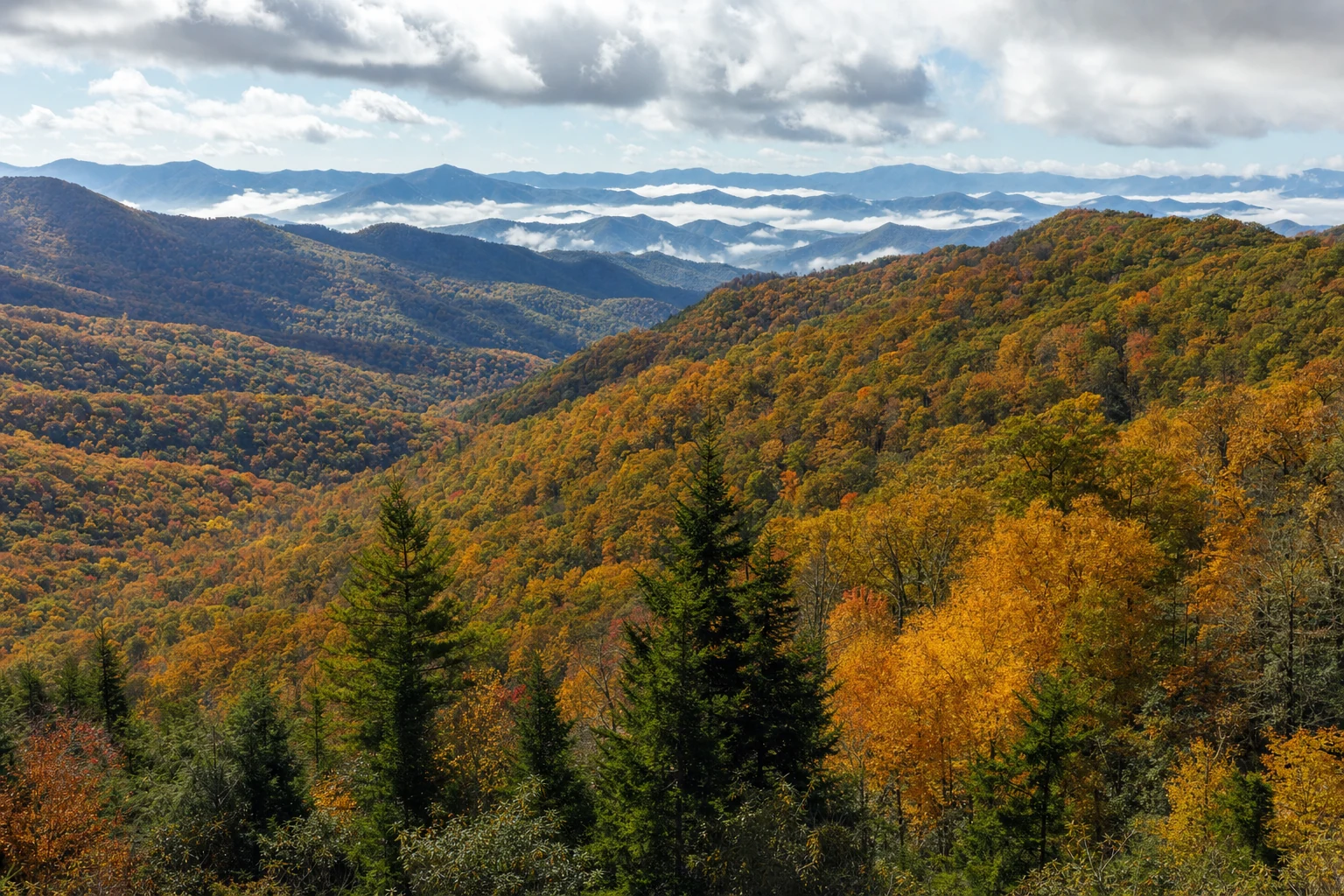

An independent field guide
The definitive guide to the Great Smoky Mountains
Every trail, waterfall, overlook, restaurant, and cabin town — researched from official sources, mapped, and kept current, so you can simply wander.
- 850
- miles of maintained trail
- 6,643
- feet up at Kuwohi
- 522,419
- acres of national park
- 592+
- places documented here
Must-see
The Smokies at a glance
Six places that define a visit — from a pioneer valley to a mountaintop firefly show.
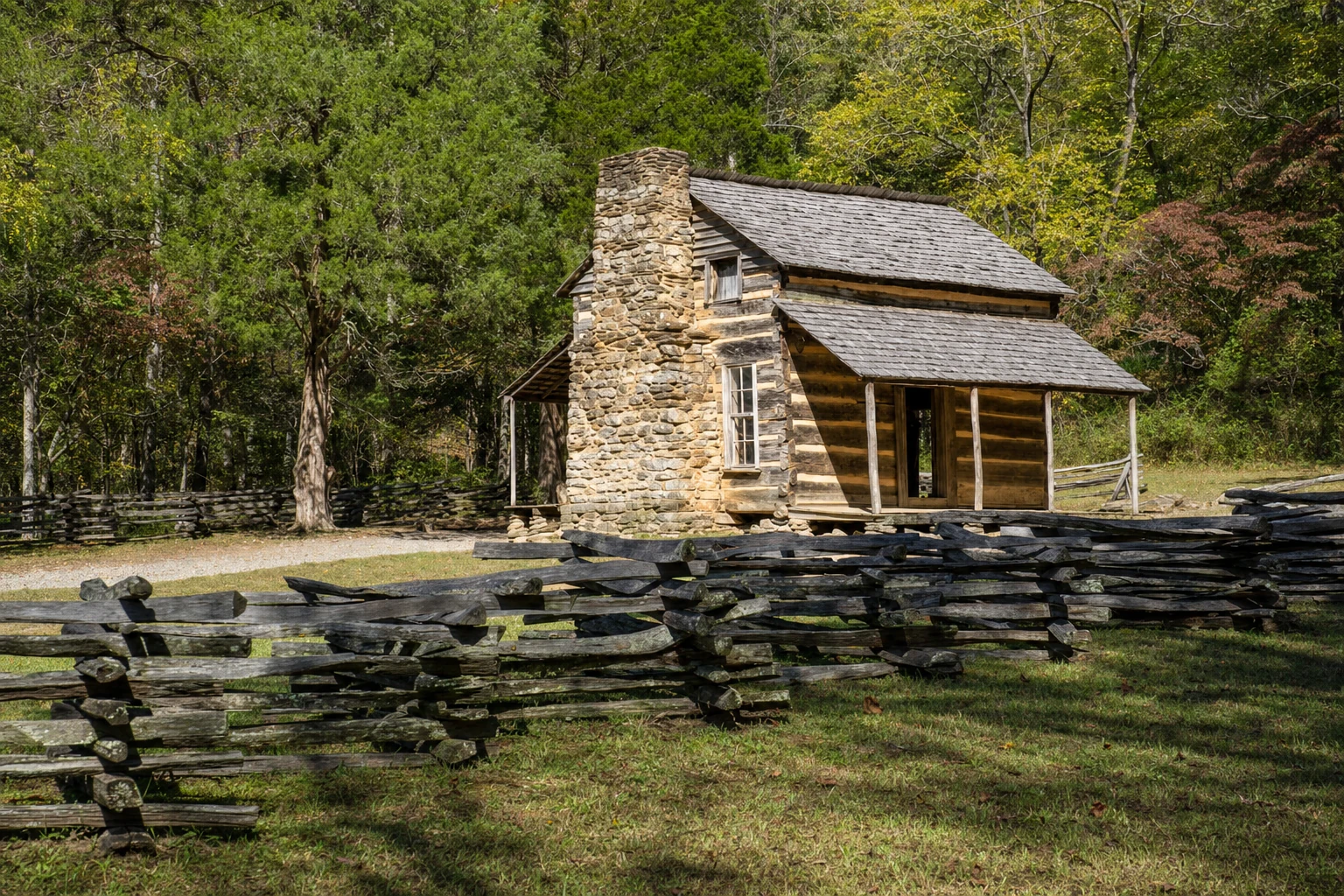
Historic valley
Cades Cove
11-mile loop past pioneer cabins, churches, and the park’s best wildlife.
Explore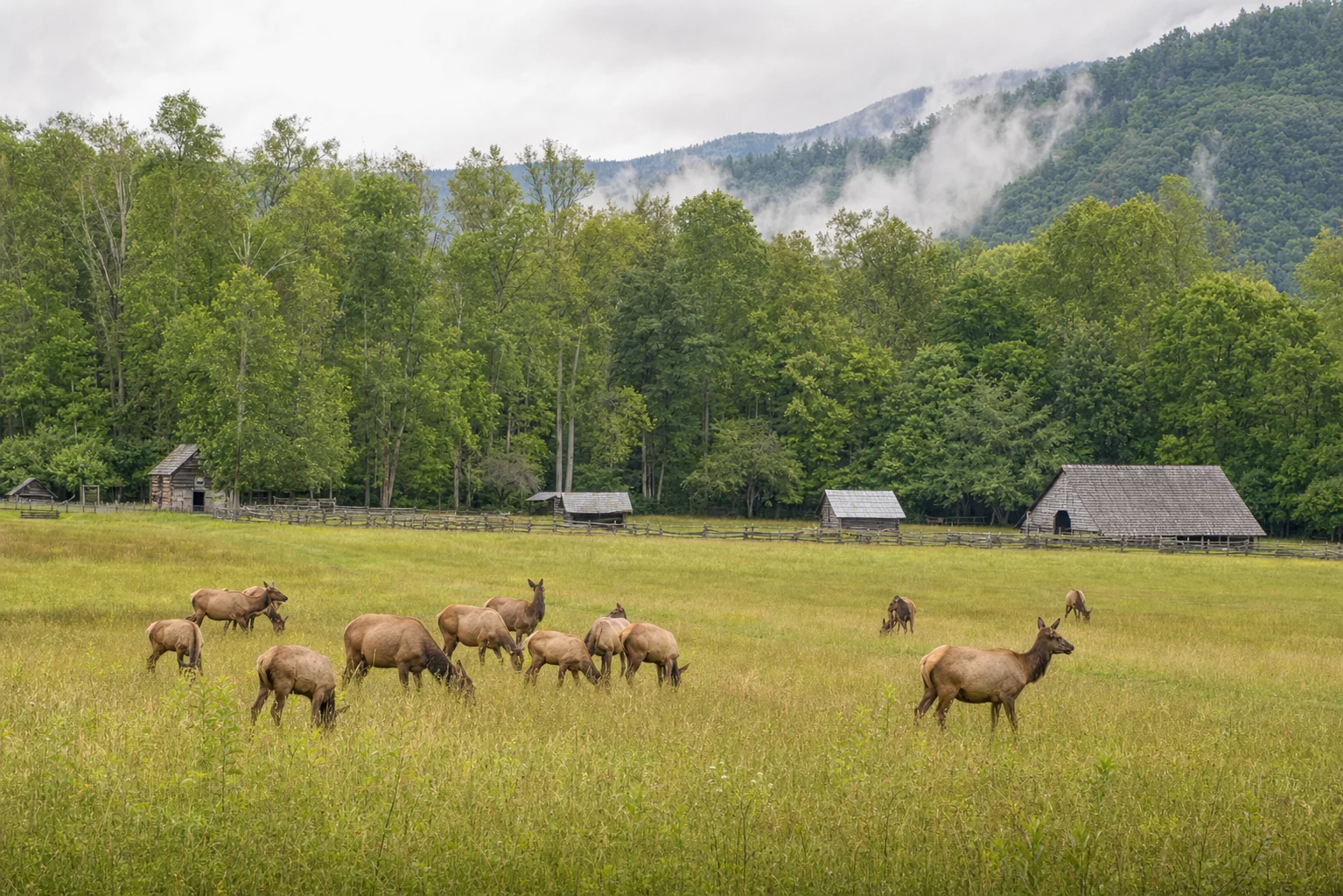
Wildlife
Cataloochee Elk
A reintroduced elk herd bugles through a remote North Carolina valley.
Explore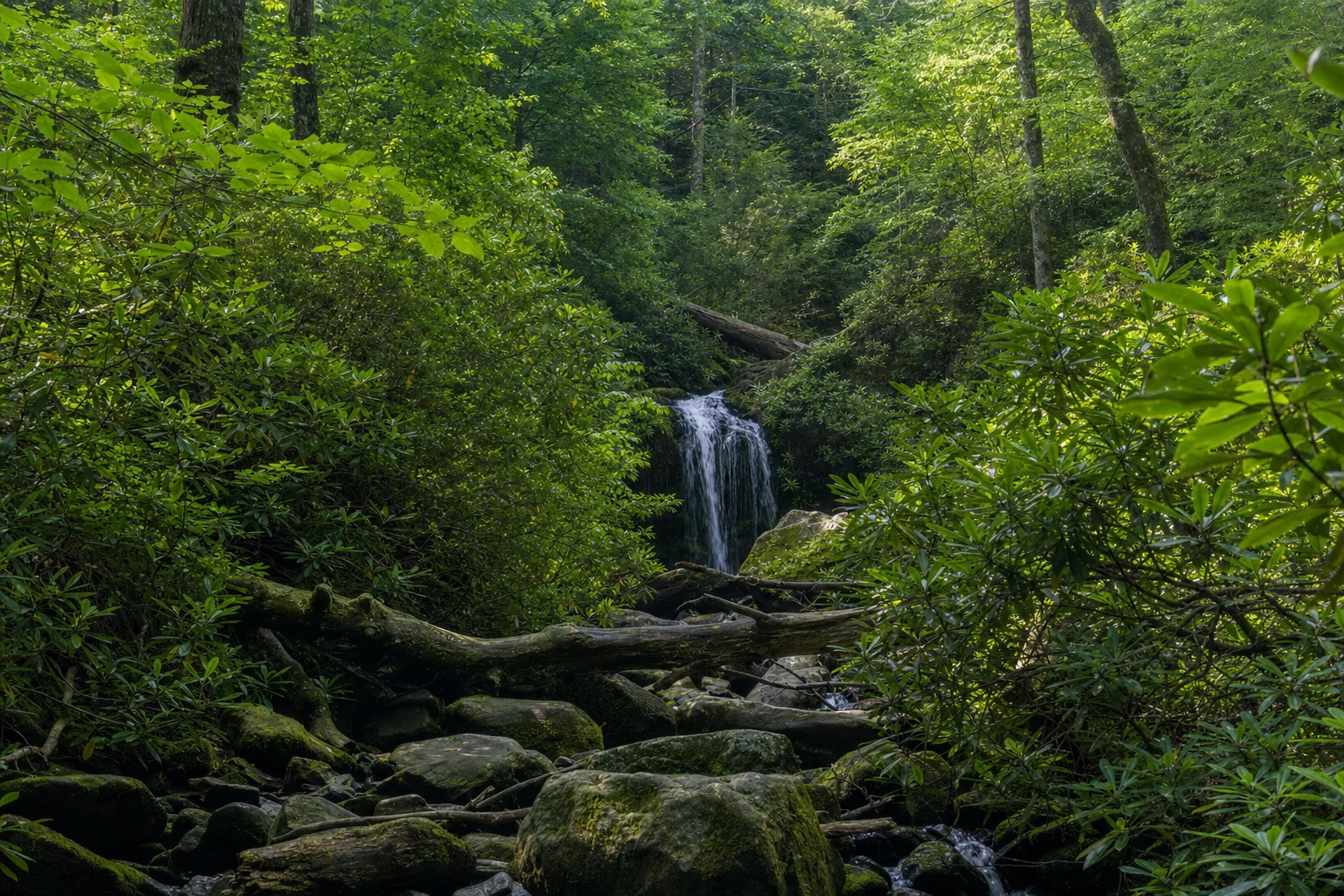
Scenic drive
Roaring Fork
A narrow one-way loop of old-growth forest, log cabins, and cascades.
Explore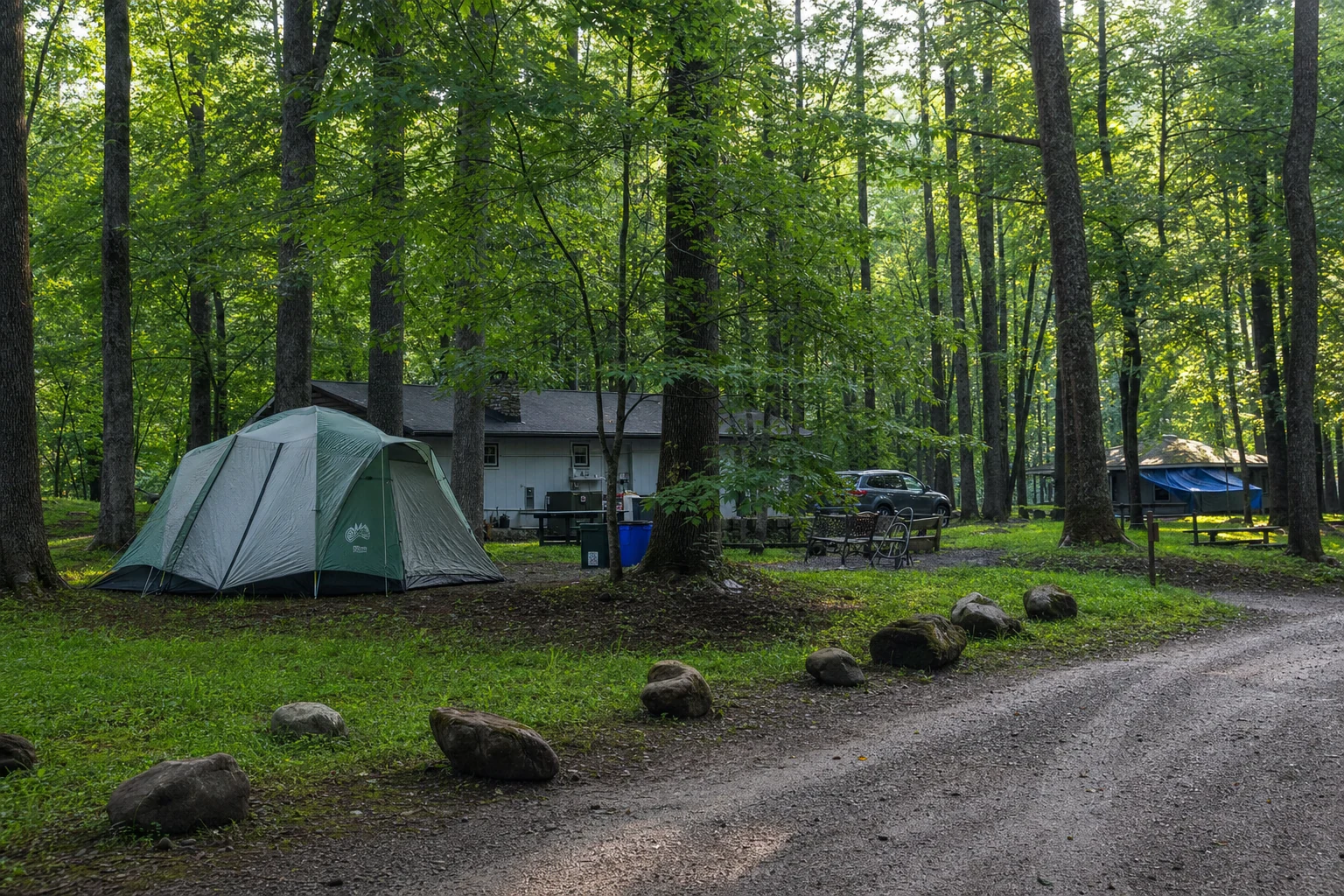
Camp & fireflies
Elkmont
A historic district and riverside campground — and the June synchronous-firefly viewing area.
Explore
Pigeon Forge
Dollywood
The region’s signature theme park — coasters, crafts, and Smoky Mountain Christmas.
ExploreBrowse the catalog
Discover the Smokies
Built from authoritative park, city, and operator sources — no vague listicles.
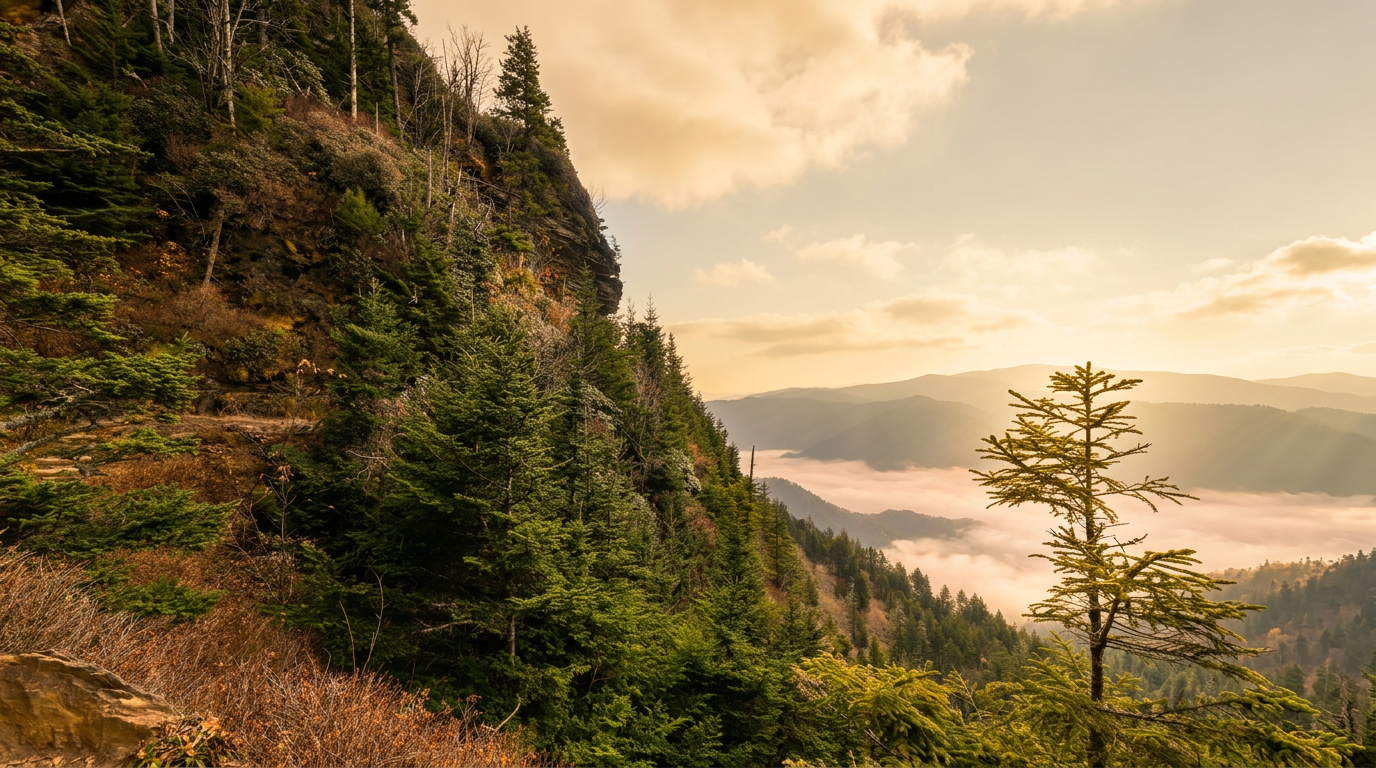
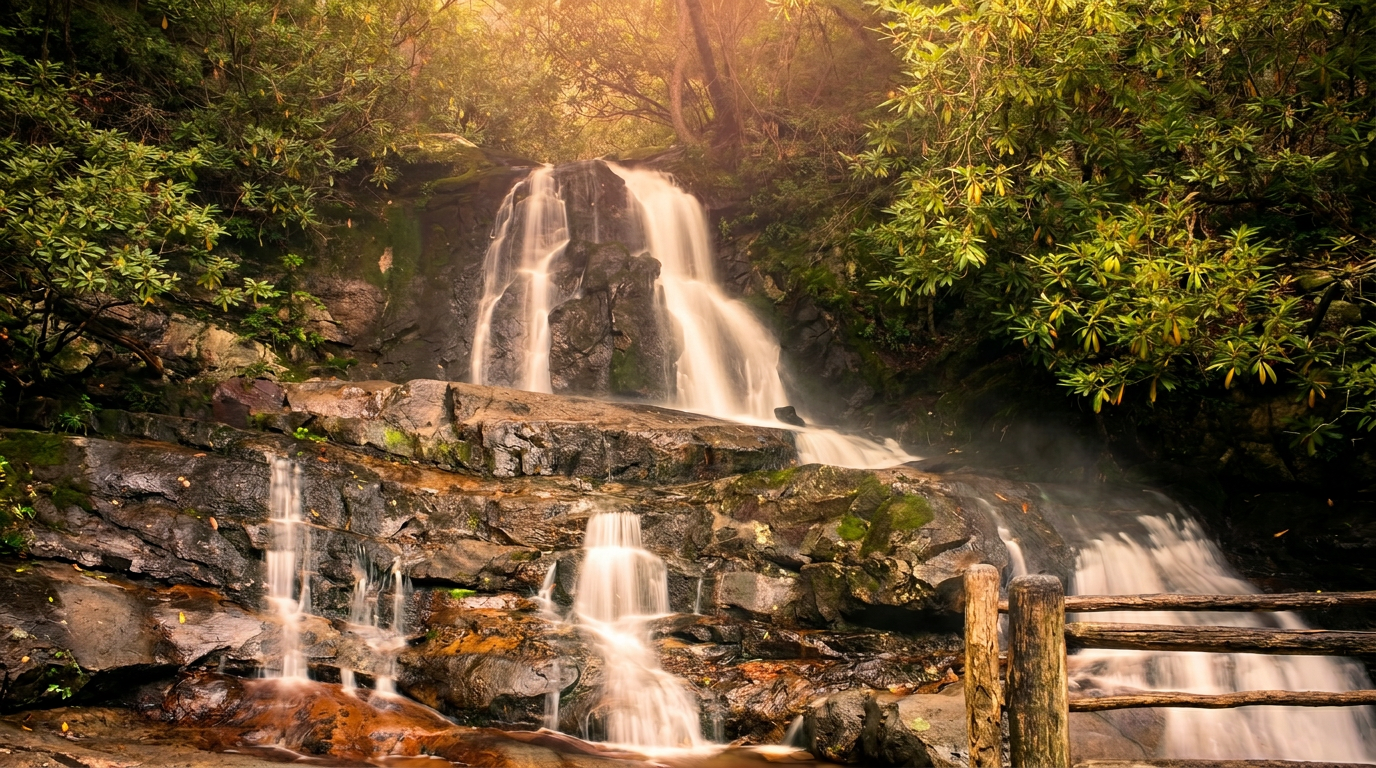
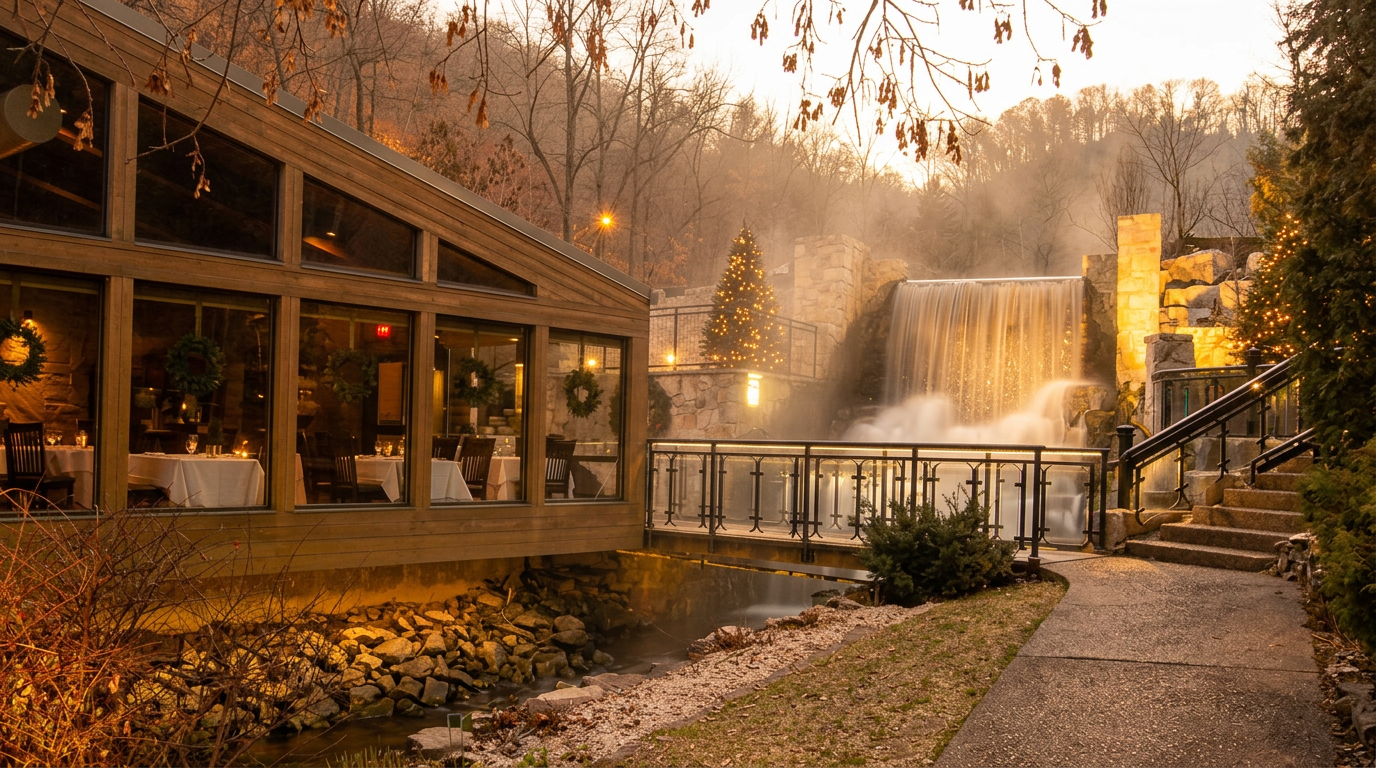

One range. A thousand reasons to wander.
Layered blue ridges, fog-filled coves, and more biodiversity than any other national park in America.
By destination
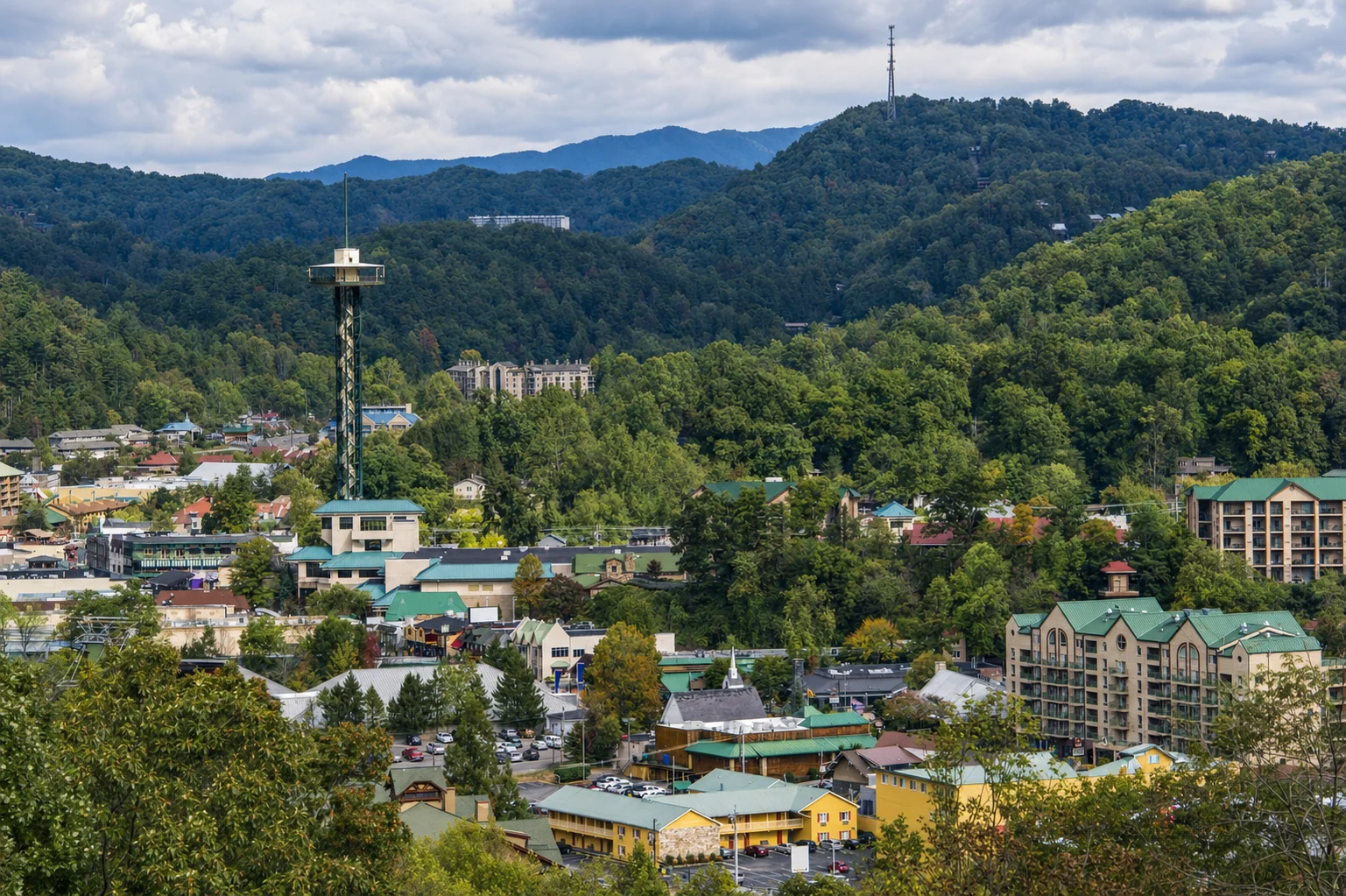
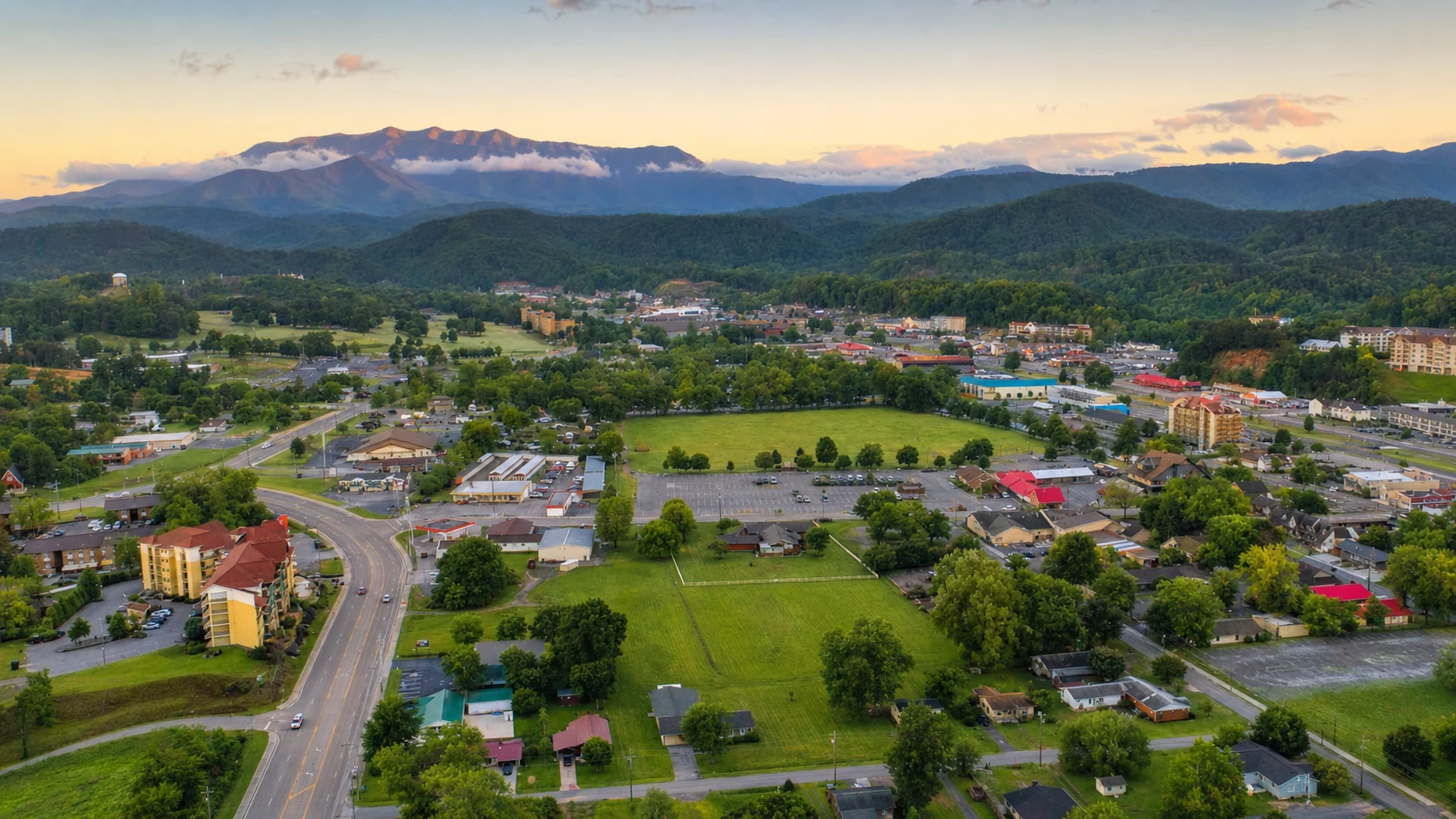
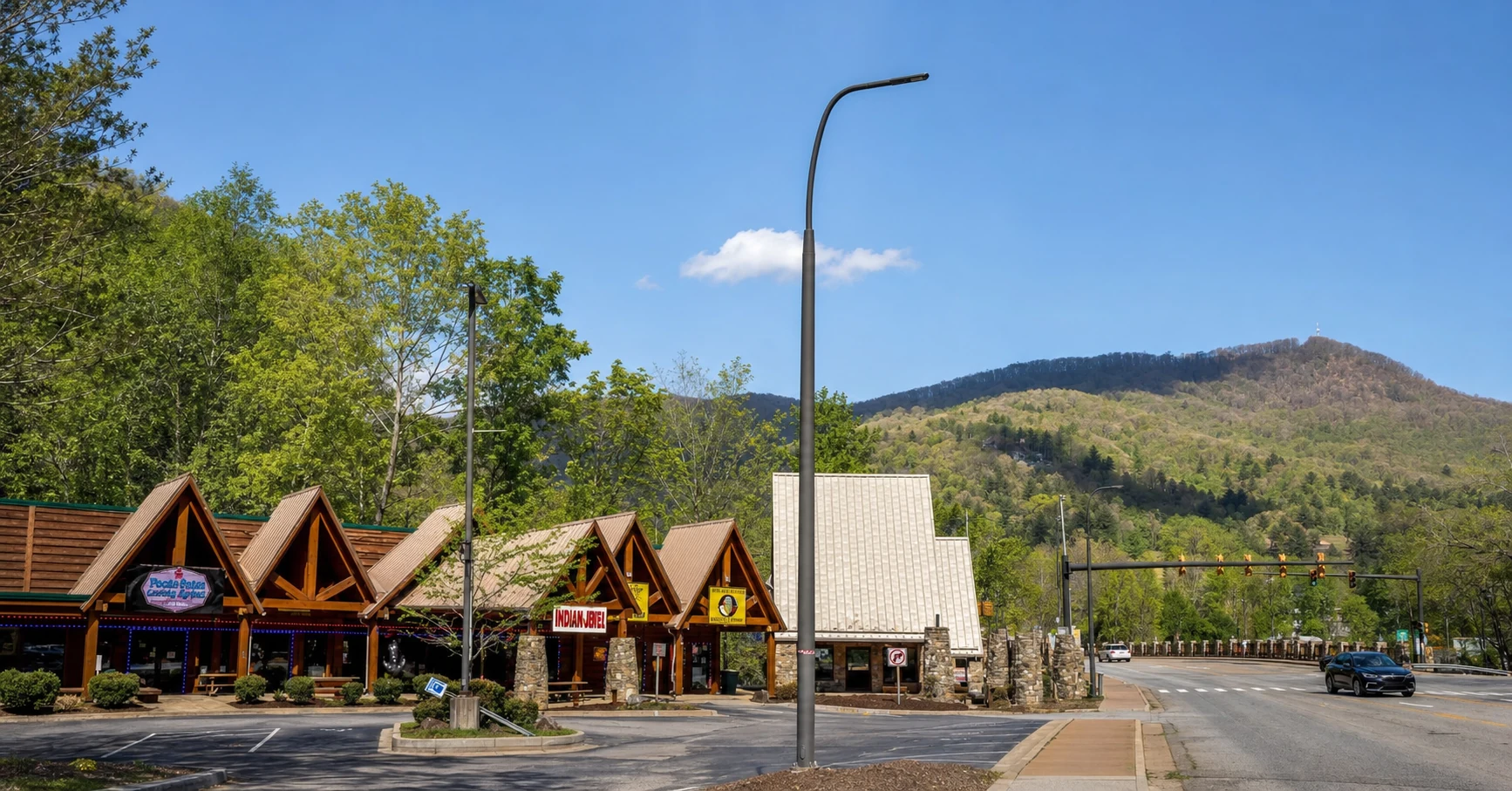
Pick your basecamp
Each gateway town opens onto a different side of the park. Where you stay shapes the whole trip.


When to visit
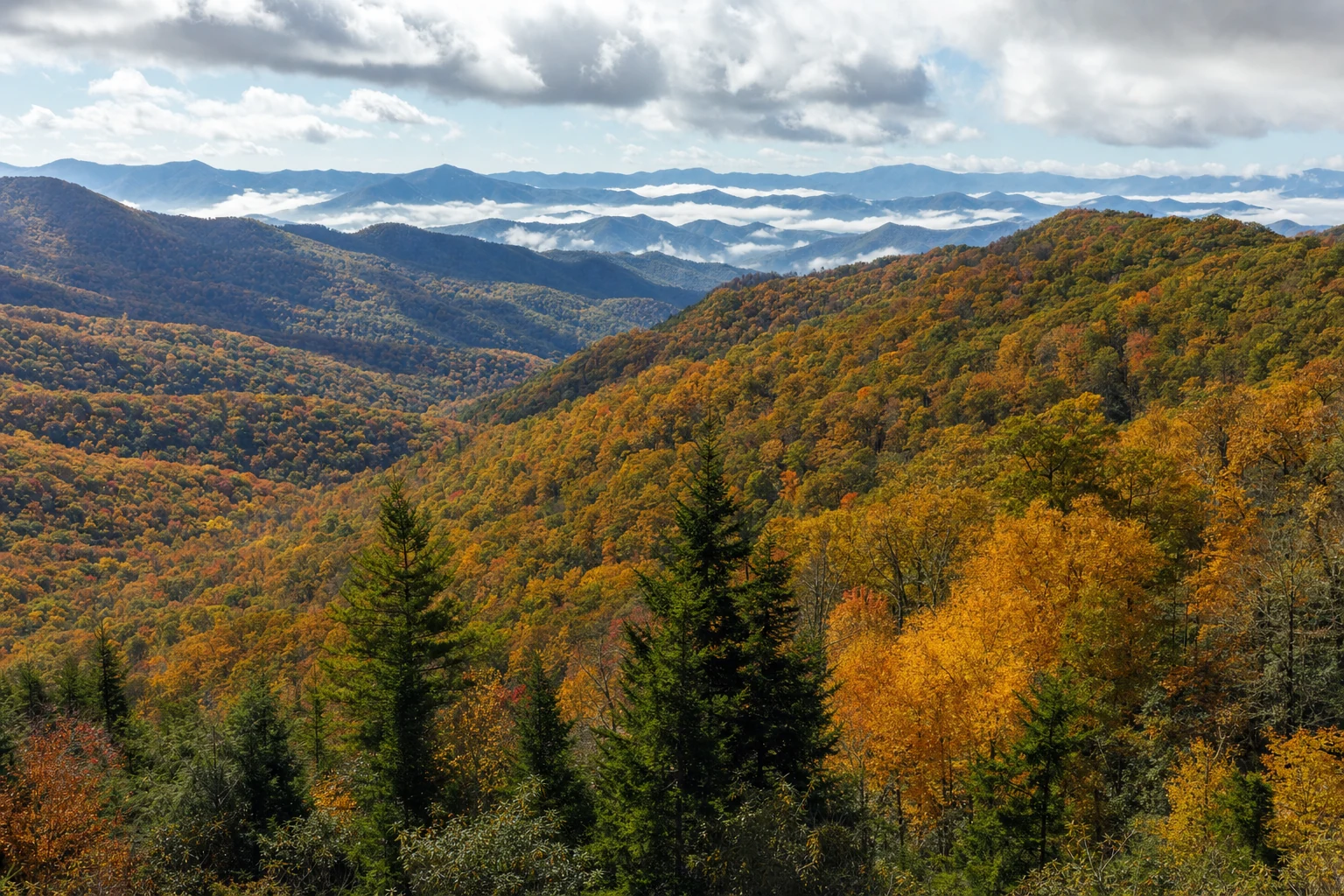
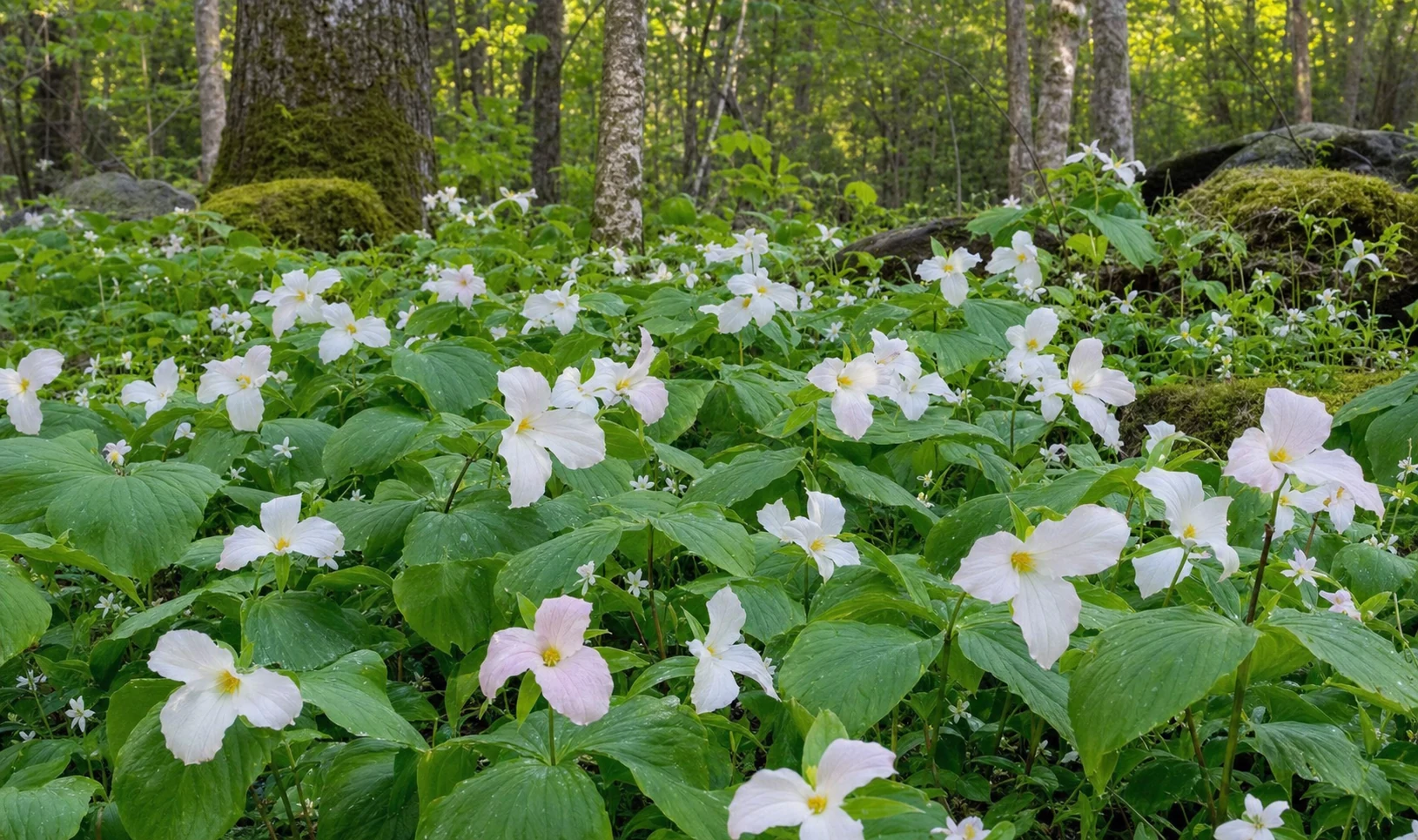
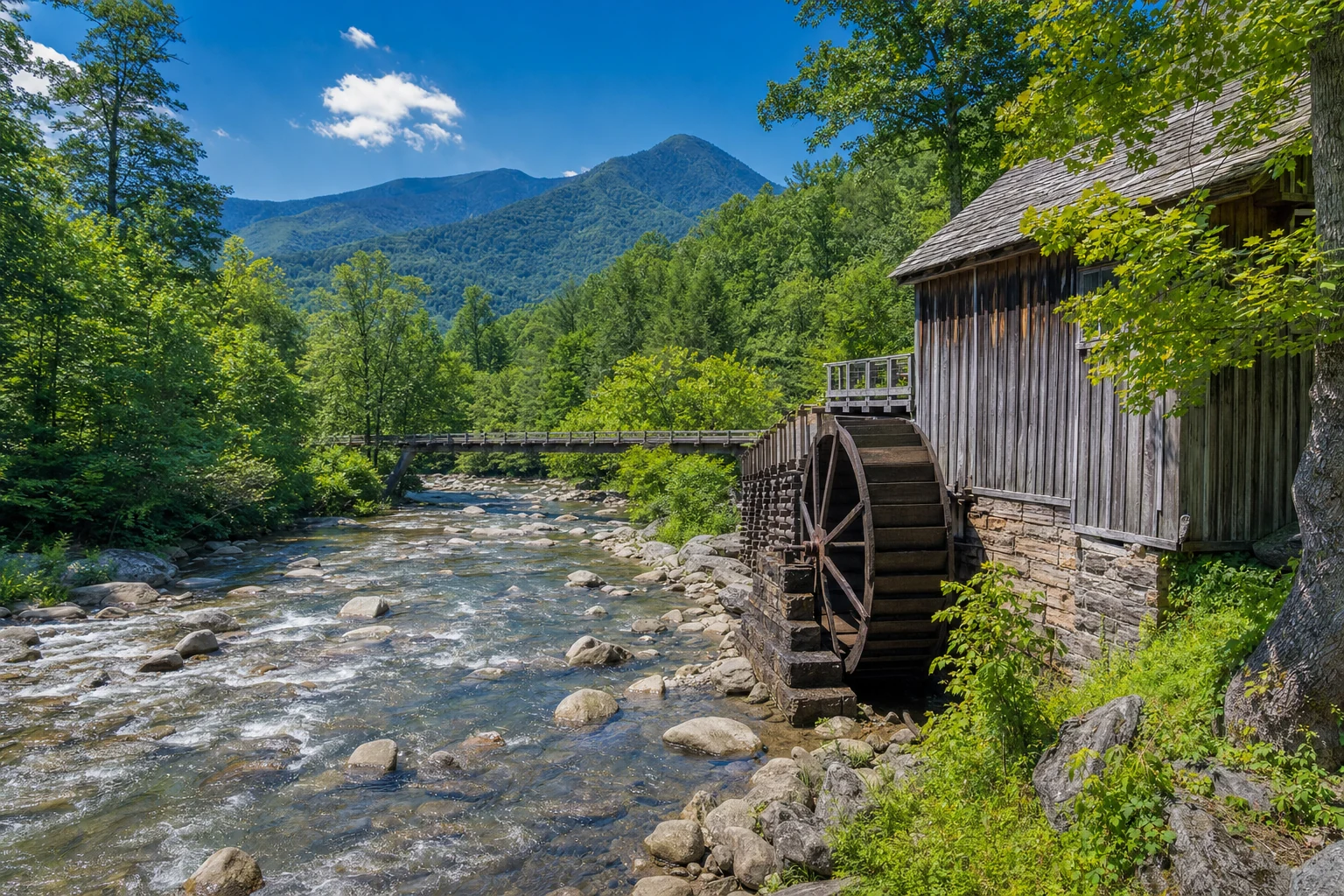
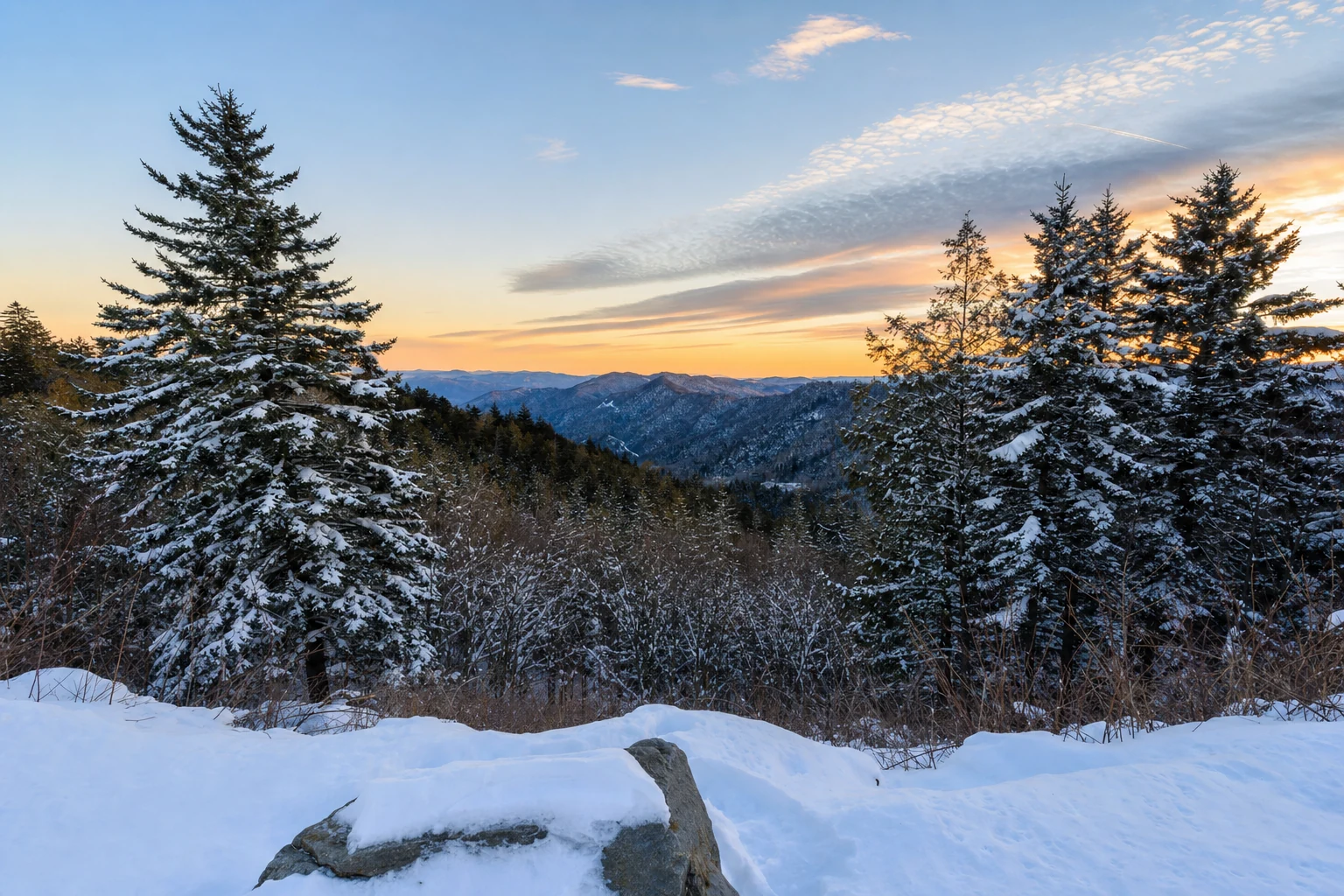
Every season is a different park
Time your trip to the show you most want to see.
Driving in?
Smoky Mountains road trips, city by city
Distance, drive time, the best route, and what to do when you arrive — from Knoxville and Atlanta to Nashville, Cincinnati, Charlotte, and beyond.
Before you go
Plan your trip
The logistics that make the difference between a good trip and a great one.
Go deeper
Twenty guides to the region
Long-form, research-backed deep dives — from peak-color timing to bear-encounter protocol.
Good to know
Smokies trip planning, answered
Do I need a parking tag for the Smokies?
When is the best time to visit?
Where should I stay — Gatlinburg, Pigeon Forge, or Townsend?
What is Kuwohi?
Can I see bears and elk?
How many days do I need?
Where to stay
Near your Smokies trip
Found the trails and towns you want? Lock in where you’ll sleep. Compare live prices across the whole region — the best cabins and the October foliage dates go first.
Map powered by Stay22. Prices and availability update live.