
About Rowdy Bear Mountain Coaster
Rowdy Bear Mountain Coaster puts you in a cart on a fixed steel rail that winds down a hillside at the edge of Pigeon Forge, with a hand brake giving you direct control over speed through every curve and drop. It's classified as a ride-up coaster, meaning a lift system carries you to the top of the track before gravity takes over for the descent. What you do with that descent is mostly up to you.
What a mountain coaster actually is
Mountain coasters (sometimes called alpine coasters) run on a fixed rail embedded in a hillside slope rather than a scaffolded loop structure. Gravity does the work on the way down, but a hand brake means you set the pace at every section of track. Riders who want to move fast can let it run; riders who want a slower glide through the terrain can hold back. That single control variable changes who can enjoy the attraction — it's not locked into one speed profile the way a traditional roller coaster is, and that distinction matters more than most people expect before they ride.
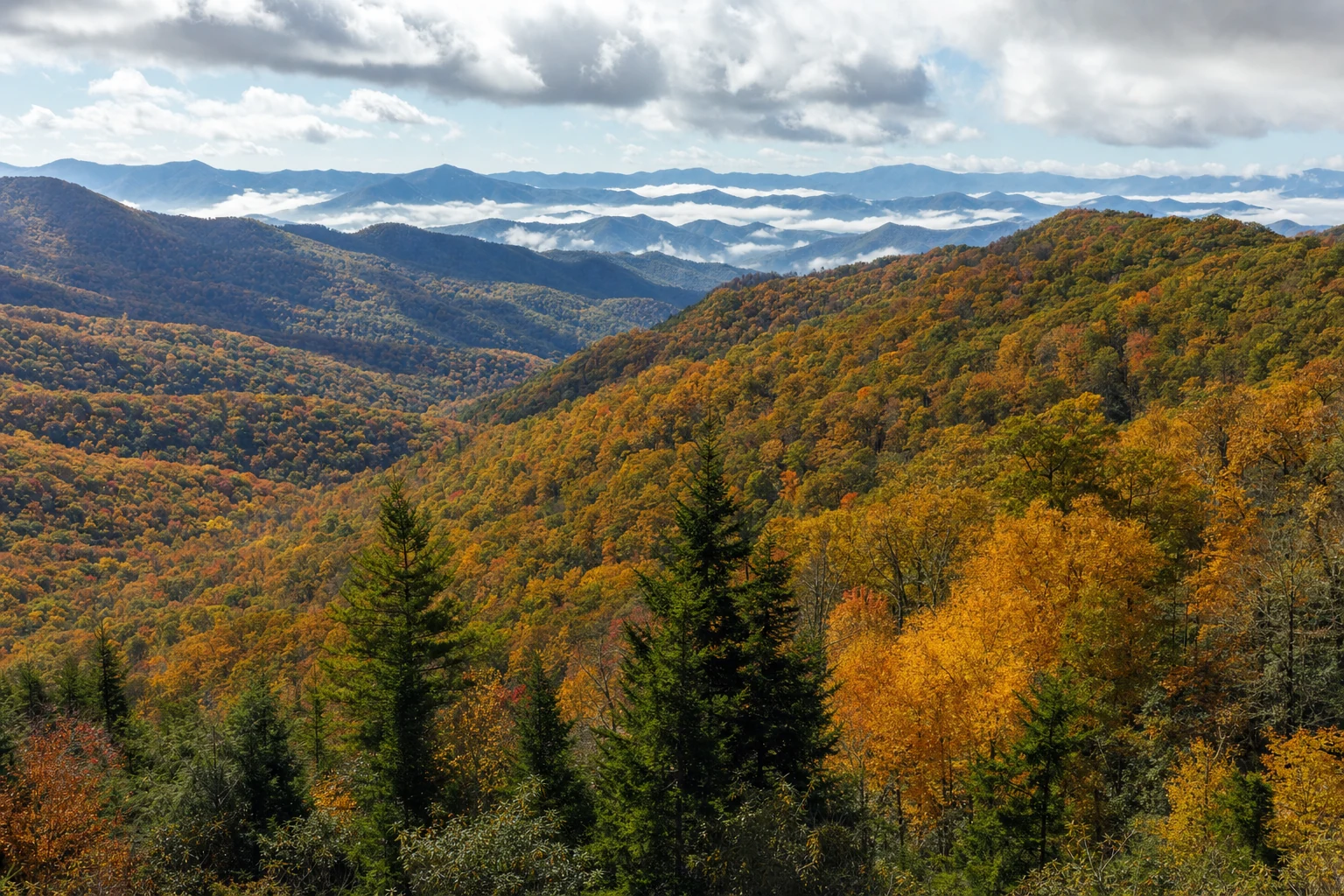
The ascent carries you up through the hillside, giving you a view of the surrounding terrain before the track turns and descends. Depending on conditions, that uphill section alone offers a decent look at the forested ridgeline before you're pointed back down.
The ride itself
At speed, wind exposure is real and noticeable. The track follows natural terrain contours rather than engineered loops, so the turns and elevation changes feel grounded in the actual hillside rather than in a design diagram. There's no large restraint system enclosing you; standard safety equipment is in place, but the ride has the openness characteristic of alpine coasters rather than the packed-in feeling of a traditional park ride.
For first-timers, the combination of speed and open exposure can feel unfamiliar for the first several seconds. After the initial adjustment, most riders report that's exactly what makes the experience work.
Who this suits
The range of people who enjoy mountain coasters tends to surprise those expecting a pure thrill-seeker crowd. Adults who've avoided traditional roller coasters for years often do well here specifically because they control the speed and because the forces are steady rather than sudden. Children who meet the height requirement can ride, though younger riders may find the ascent and the exposed cart more interesting than frightening.
Groups with mismatched thrill preferences are well-served. One person can ride hard while another takes the same track slowly, and the queue doesn't distinguish.
A practical approach for repeat runs: go faster on one pass and slower on another. The track shows you different things at different speeds, partly because at a measured pace you can actually see the terrain around you rather than focusing on the next curve.
Practical things to know
Hours and ticket prices vary by season, and the coaster closes in high-wind or icy conditions. Checking the official website before you drive out is worth doing, especially if you're organizing your day around this stop. Online ticket purchase typically saves time at the gate.
Height and weight limits apply, as they do for any ride of this type. Confirm the minimums before you arrive if you're bringing younger children, because finding out at the counter after a long queue is completely avoidable with a two-minute check.
Pigeon Forge hits peak crowds during summer weekends and through October, when fall foliage draws large numbers to the whole region. If your visit falls during those windows, arriving early in the morning cuts wait times at most paid attractions across the city. Weekday visits in shoulder months (May, early June, September) deliver the same experience with considerably less congestion.
Pairing it with the rest of Pigeon Forge
A single run takes minutes, and most visitors ride more than once. Even accounting for multiple passes, this doesn't consume the kind of time a full-day theme park does. The Pigeon Forge corridor concentrates enough adjacent options that this fits naturally into a day of outdoor activity: zip lines, go-kart tracks, whitewater outfitters, and similar venues sit within a few miles.
For visitors using Pigeon Forge as a base for Great Smoky Mountains National Park, the park entrance is a short drive from the main commercial strip. Laurel Falls is one of the busiest trailheads, accessible and relatively short for the waterfall payoff. Roaring Fork Motor Nature Trail is worth the detour for those who want a longer forest loop without committing to a full-day hike. Both offer genuine contrast to a morning of paid attractions on the Pigeon Forge strip.
Timing and the crowd pattern
Summer weekends and October are the two peak pressure points for the entire area. Mid-week visits in May or early September consistently produce shorter wait times at virtually everything in Pigeon Forge. January and February are quietest, though some venues scale back hours or close temporarily during the off-season, so confirming current schedules matters more in those months.
Morning arrivals at ride-based attractions are almost always faster. By early afternoon on a busy Saturday in July, queues at popular spots can run long. Two runs in the morning before the crowd builds is a more practical approach than one run in the afternoon after standing in line for it.