
About Smoky Mountain Alpine Coaster
Now I'll write the page copy, applying the anti-slop constraints throughout.
---
Alpine coasters work on a simple premise that somehow keeps surprising people: you ride a motorized lift to the top of a hillside track, then descend in a wheeled sled that you control with a hand brake. That's it. The twist is that unlike conventional thrill rides where the machine determines everything, here you decide the pace, which means two riders on the same track can have genuinely different experiences. Smoky Mountain Alpine Coaster sits in Pigeon Forge, one of the region's most ride-dense corridors, and it's a reliable first stop for groups testing how adventurous they actually want to get.
What You're Actually Riding
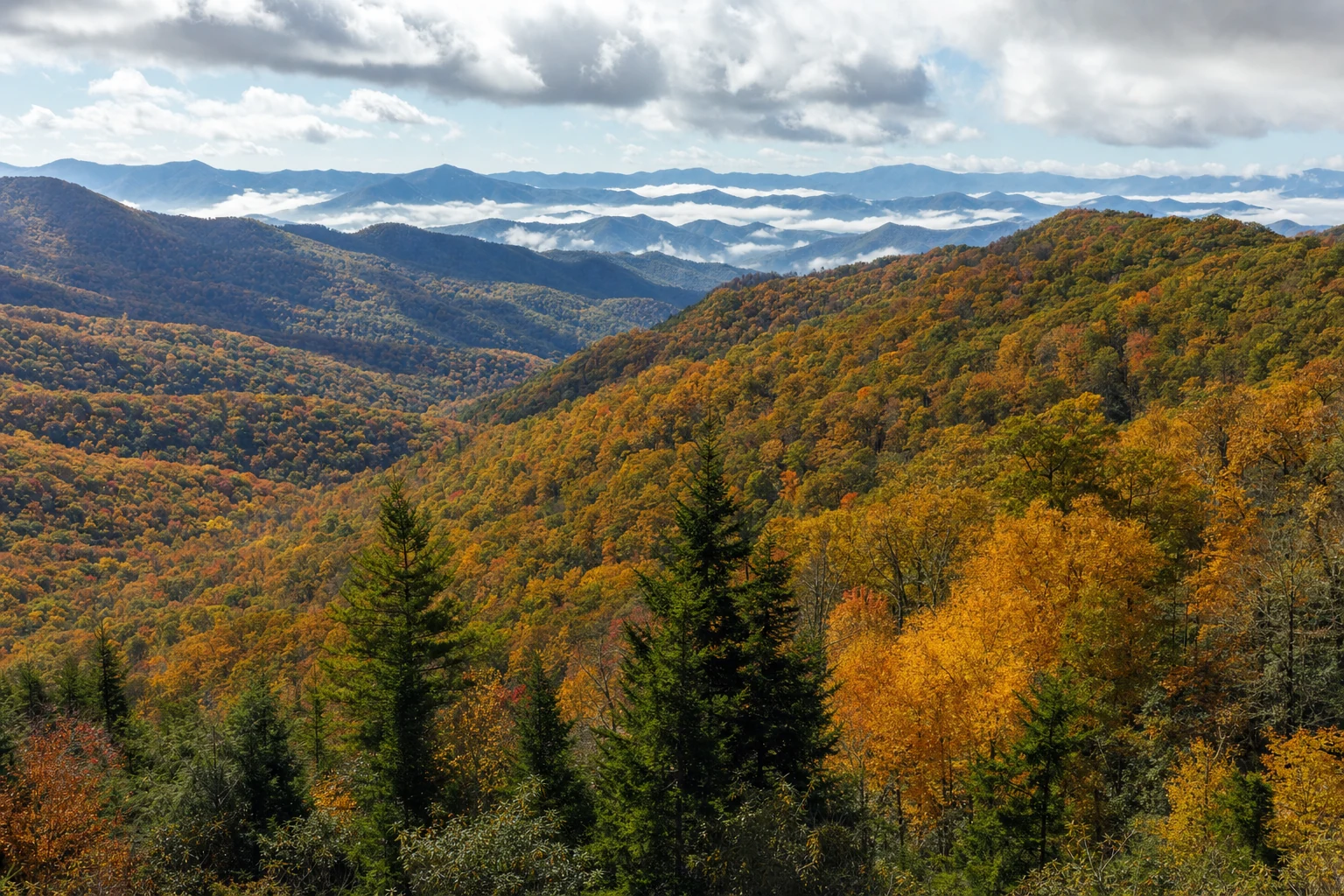
The track follows the natural contour of the mountain terrain rather than an artificial loop structure, so the view during the descent isn't a parking lot or the back side of a building; it's actual hillside, treeline, and mountain ridgeline. That context matters more than it sounds. The coaster moves you through the landscape rather than above it or across a flat surface, and the combination of speed and scenery tends to land differently than visitors expect.
The hand brake gives real control. You can push for maximum speed on every straightaway or feather it constantly; the ride accommodates both. Most people who do the conservative route on their first pass buy a second ticket and ride faster the second time, which is essentially the whole business model of alpine coasters worldwide. Runs are brief by clock count but the experience is dense enough that they don't feel short.
Tandem sleds allow an adult and child to ride together, which is a meaningful option for families with younger kids who can't meet the solo rider minimum.
Height Requirements and Who Can Ride
Alpine coasters impose height thresholds that differ between solo and tandem riders. A child too short to ride independently may still qualify to ride with a parent in a tandem sled; the solo minimum is taller. The exact numbers for this location sit on the official FAQ at smokymountainalpinecoaster.com, and checking them before you drive out is worth the 30 seconds, especially with younger kids in your group where the difference between qualifying and not is often a few inches.
Standard restrictions apply across the board: no riding during active lightning, weather closures at the operator's discretion, and pregnancy disqualifies riders. The Smokies get fast-moving afternoon storms in summer and fall, and a thunderstorm can shut an outdoor coaster for an hour. Building buffer time into the afternoon schedule matters more here than at indoor attractions.
Tickets and Timing
Prices adjust with the season and demand, so the number on the official site on the day you visit is the accurate one; any figure from a third-party source may be outdated. Per-ride pricing and multi-ride packages are both typically available. Buying online before arrival tends to cost the same as or marginally less than the walk-up window and eliminates the counter queue, which on a busy Saturday in July is not a trivial benefit.
The Pigeon Forge calendar creates predictable pressure points. Peak summer (Memorial Day through Labor Day) brings the highest daily attendance, and popular ride attractions fill up by mid-morning on weekends. Fall is busy but differently so; leaf season visitors skew older and plan differently than summer families, and lines at most rides are shorter despite hotel occupancy staying high. Weekday mornings in spring represent the most relaxed conditions across nearly all Pigeon Forge attractions.
Winter hours vary; some Smokies coasters close for cold snaps or icy track conditions, others maintain reduced winter schedules. Confirm through the official site or their social accounts before planning a January or February trip around it.
Getting There
Pigeon Forge runs along US-441, called the Parkway locally, a single commercial corridor that handles most of the town's traffic. There's no complicated navigation; everything is on or just off that road. GPS works fine, and unlike Gatlinburg to the south or the national park entrance areas, parking at Pigeon Forge attractions generally isn't a problem since most properties have their own lots.
Traffic on the Parkway itself is the actual variable. Mid-afternoon on a peak summer or fall weekend can turn a two-mile drive into a 30-minute crawl; mornings before 10 and evenings after dinner move considerably faster. If your group is debating when to leave the cabin or hotel, earlier is almost always right.
Pairing It With Other Stops
Because everything in Pigeon Forge sits along a compact stretch of the Parkway, combining the coaster with other stops doesn't require much logistics planning. The Island in Pigeon Forge has multiple ride types, food options, and entertainment in one place, making it a practical follow-up for groups whose members have divergent interests. Xtreme Racing Center draws a similar crowd: people who want speed and control rather than passive spectatorship.
The Escape Game Pigeon Forge is a useful contrast if your day needs a mental gear shift after physical rides; it's also one of the better escape room operations in the region rather than just a Parkway novelty. Groups with older kids or adults who want the full day accounted for can realistically hit the coaster, a meal, and an escape room without any of the three feeling rushed.
Ober Gatlinburg, about five miles south in Gatlinburg, runs its own mountain coaster alongside an aerial tram and several other mountain-based activities. If alpine-style experiences are a specific priority for your group, you can pair the two into a single day without much wasted driving; the contrast between the two operations is genuinely interesting rather than repetitive.
Dollywood warrants its own separate day. Treating it as a quick add-on to a coaster visit undersells it and oversells your afternoon energy.
Practical Notes Before You Go
Dress for the actual air temperature at elevation, not the parking lot temperature. Even in late spring and early fall, the top of a hillside coaster track runs noticeably cooler than the valley floor, and the wind during descent amplifies that. A light layer that can stuff into a pocket solves it.
Secure anything in your pockets before the ride starts. The FAQ covers the official policy on loose items; the practical approach is a zippered bag or confident pockets rather than holding anything in your hands. Phones that come out mid-descent tend to end the day in ways nobody planned for.
If you're traveling with a group that has mixed enthusiasm for thrill rides, the coaster's self-controlled speed makes it more adaptable than a fixed-speed attraction. The nervous person who insists they'll hate it usually ends up buying the second pass.