
About Bluff Mountain Rentals
Bluff Mountain Rentals runs a portfolio of 70+ cabins concentrated along the Bluff Mountain corridor outside Sevierville, which sits a different kind of distance from the Smokies crowds than its mileage on the map suggests. The company positions itself around seclusion and ridge-line views rather than proximity to Gatlinburg's main commercial strip, which makes it a strong fit for some travelers and a poor fit for others; knowing which category you fall into before booking saves real frustration.
The Location: Sevierville, Not Gatlinburg
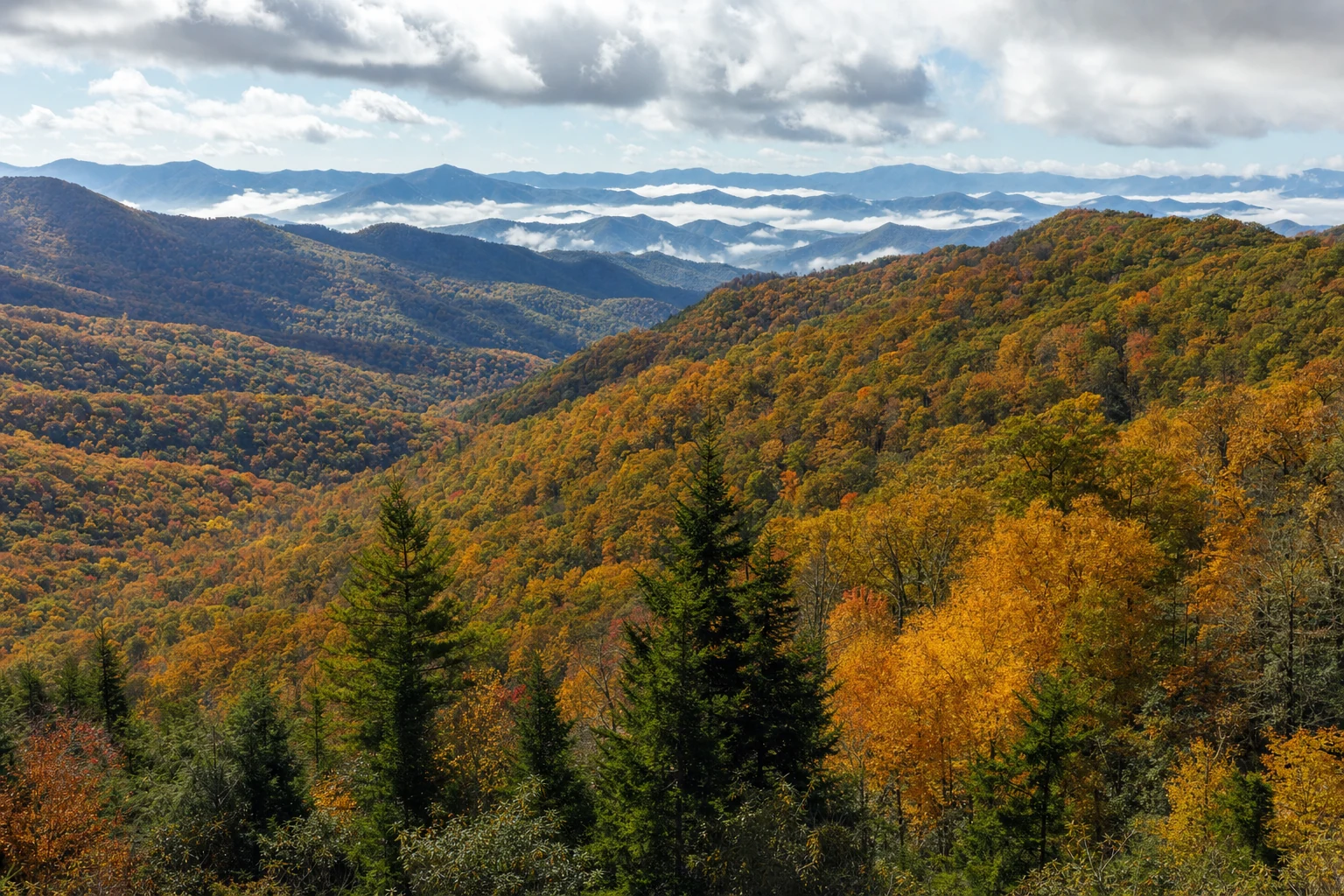
Bluff Mountain sits within Sevierville rather than Gatlinburg proper. For most visitors, the practical difference is roughly 15 to 20 minutes of additional driving from Gatlinburg's central attractions, but the character of the area is genuinely distinct. The Bluff Mountain corridor rises to the southwest of Sevierville's main tourist zone, delivering ridge-line elevations that put you well above the valley floor. Cabins here tend to face outward toward long view corridors rather than inward toward resort amenity clusters.
This distinction matters for expectations. If your trip revolves around walking to pancake houses at 8am or hitting the Sevierville outlet stores in the afternoon, a Bluff Mountain cabin adds driving to each of those plans. If your trip revolves around sitting on a deck with coffee while fog burns off the valley below, the location is a feature, not a compromise.
The Property Count and What It Implies
With 70+ cabins under management, Bluff Mountain Rentals sits in the mid-tier of Smokies operators: large enough to offer real variety across group sizes without being the industrial-scale company that manages 500 nearly identical units. That inventory range typically includes couples' retreats and larger group cabins, though specific property counts shift as units enter and exit managed programs over time.
The company's emphasis on rustic character combined with modern amenities reflects the standard Smokies cabin formula: exposed log construction, stone fireplaces, hot tubs on the deck. What distinguishes the Bluff Mountain area specifically is the elevation, which tends to produce cleaner, longer view corridors than cabins tucked into the lower coves closer to Gatlinburg's commercial core. You're looking at open sky and ridgeline rather than the back fence of the next property over.
Getting There and Driving the Roads
From Gatlinburg, the route runs north on US-441 toward Sevierville, then toward the Bluff Mountain Road area. These are paved mountain roads with real grades and curves, and they reward careful driving after dark or in wet weather. If you're renting a large SUV, driving a lifted truck with a clearance issue, or towing a trailer, confirm the specific driveway situation for your cabin before arrival. Some steep mountain driveways are not workable for trailers, and finding that out at 9pm after a six-hour drive is a bad start to a trip.
The nearest major commercial corridor is the Sevierville and Pigeon Forge strip along US-441, which covers grocery stores, gas stations, and a full range of restaurants without requiring a trip through Gatlinburg's traffic. For GSMNP access, the Sugarlands Visitor Center at the Gatlinburg park entrance runs roughly 25 to 30 minutes from most Bluff Mountain addresses under normal traffic conditions; allow more time during fall color season, summer weekends, or any time the Gatlinburg strip is moving slowly.
Park Access and the Parking Tag Requirement
If your primary reason for being in this area is Great Smoky Mountains National Park, build the park's paid parking program into your trip planning from the start. The park now requires timed parking tags for high-demand destinations including Laurel Falls, Alum Cave Trail, and sections of the Sugarlands area during peak season. Tags are purchased through recreation.gov and sell out several days ahead for summer and fall weekends.
Private cabin guests are not eligible for any residential parking exemption; you purchase tags the same way any day visitor does. The smarter move is to lock in your park reservation dates before finalizing cabin dates, so you're not booking accommodation around a park window that no longer has available tags. Fall color season, typically mid-October through early November, carries both the highest cabin rates and the tightest park parking availability, so the lead time on both matters.
Who Books Here
The combination of seclusion, elevation, and updated amenities that Bluff Mountain Rentals emphasizes attracts a specific traveler: couples and small groups who want the Smokies stay to center on the property itself rather than on adjacent activities. The appeal is the hot tub at 10pm and the ridge view at dawn, not a 90-second walk to a wax museum.
Families or groups prioritizing convenience to Gatlinburg's dining and entertainment will find the location less ideal. The Bluff Mountain area is worth the trade-off only when the quiet is part of what you're paying for.
First-time visitors to the Smokies sometimes underestimate how car-dependent this region is regardless of where you stay. Even Gatlinburg-central cabins require driving to most park trailheads and attractions. Bluff Mountain adds modest additional drive time but delivers meaningful additional elevation and considerably less ambient noise from neighboring properties and road traffic.
Booking Directly and Timing Your Stay
Bluff Mountain Rentals operates its own reservation platform at bluffmountainrentals.com, which is the direct channel for current inventory, pricing, and property-level photography. Smokies cabin rates shift sharply by season: fall foliage weeks and summer weekends carry the highest nightly rates and the thinnest last-minute availability, while late winter and early spring offer the most flexibility on dates and price.
Because the company manages a specific geographic cluster rather than a scattered region-wide inventory, availability during peak weeks tightens faster than it does for larger operators with units spread across multiple communities. Booking 60 to 90 days out for any fall or peak summer stay is standard practice. The company's direct site typically shows the full inventory without the markup that third-party listing platforms add on top, and direct booking often gives you a cleaner communication line if anything needs adjusting before arrival.