
About Smoky Mountain Realty & Rentals
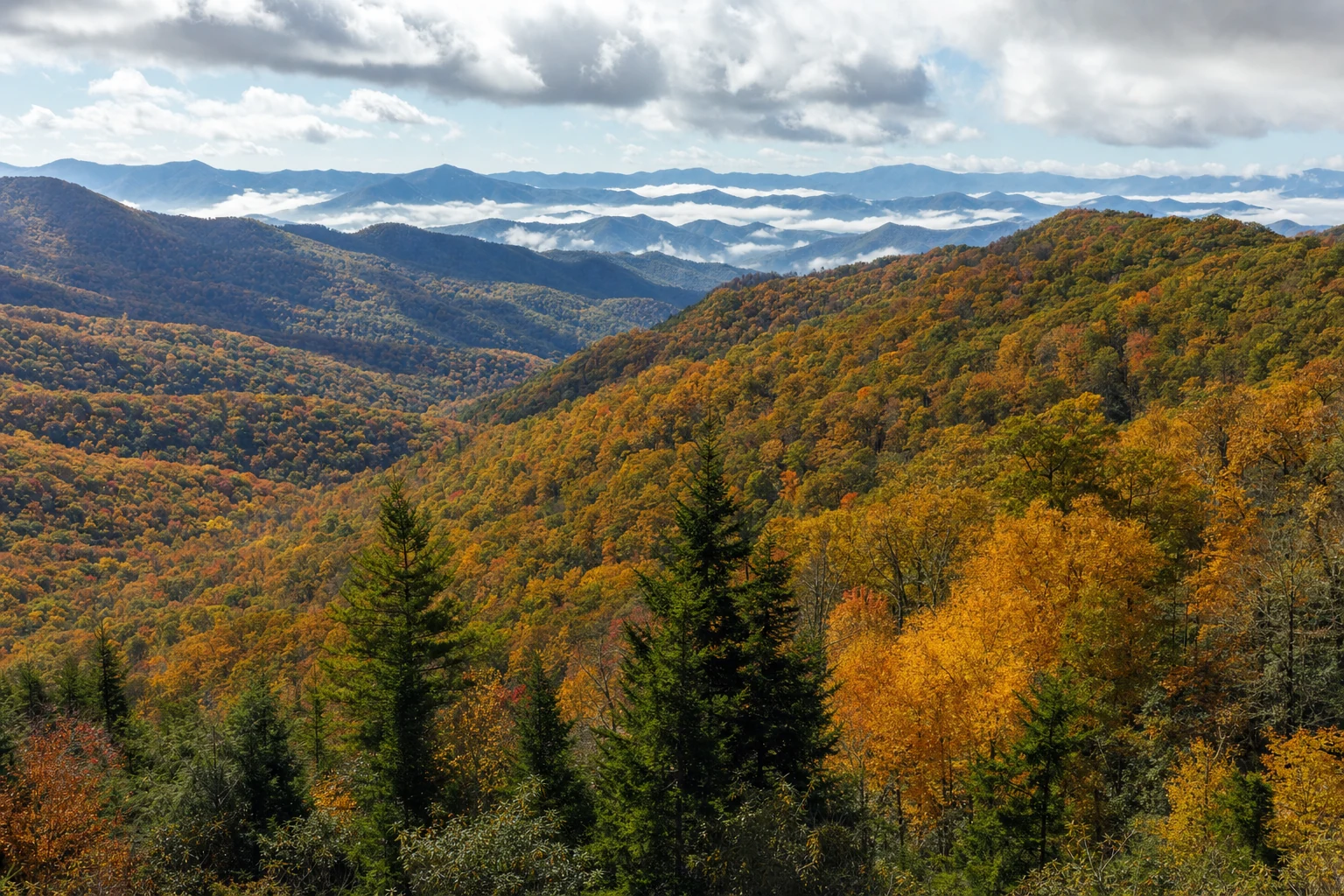
Smoky Mountain Realty & Rentals is a Gatlinburg-based company with a catalog of 50-plus cabins and chalets, built around a traditional mountain aesthetic rather than a resort model. The focus is on privacy and views, so you're not looking at a pool complex and activities desk — you're looking at wooded hillsides, mountain outlooks, and a quiet porch.
What the Company Manages
The portfolio runs to more than 50 properties, mixing standard cabins with chalets that tend to sit at slightly higher elevations for better sightlines. The "traditional mountain feel" distinction matters in Gatlinburg's rental market, which runs a wide spectrum from decades-old rustic cabins to heavily amenitized new builds with theater rooms and arcade machines. Smoky Mountain Realty & Rentals positions toward the former end of that range: expect log or board-and-batten construction, fireplaces, decks with rocking chairs, and views that frame the ridge rather than a parking lot. What you're less likely to find here: smart home integrations, hyper-modern kitchens, or the kind of interior that reads like a staged shoot. The trade-off is real and worth knowing before you book.
For families with kids who want novelty amenities, or groups who want the full entertainment package, other companies in the Gatlinburg market cater directly to that. For travelers who want to actually be in the mountains — wake up to fog in the valley, drink coffee on a quiet deck, drive into the park without a complicated commute — the traditional cabin experience delivers in a way a hotel simply can't.
Location and Access
All properties are based out of Gatlinburg, which puts you at one of the two main entry points to Great Smoky Mountains National Park. The Sugarlands Visitor Center, the Tennessee-side park entrance, is a short drive from downtown. That proximity matters if you're planning day hikes: you won't burn an hour each morning just reaching the trailhead.
Gatlinburg runs along a narrow valley carved by the West Prong of the Little Pigeon River. The downtown strip is compact; the surrounding ridgelines are where cabin rentals live. Most properties in this market sit above the main traffic corridor, which means better views and less road noise, but also means a drive on winding mountain roads to reach them. Factor that in if you're traveling with anyone who struggles on switchbacks after dark, or if you're renting a low-clearance vehicle. Before finalizing a booking, it's worth asking specifically about road grade and access conditions — mountain cabin rentals reward that kind of due diligence more than most lodging categories.
The Smokies draw around 12 million visitors annually, the highest visitation of any national park in the country by a significant margin. Staying in a private cabin rather than a Parkway hotel puts you outside the worst congestion and gives you somewhere to genuinely decompress.
Planning Your Stay
Seasonal demand in Gatlinburg swings hard. Fall foliage season — roughly mid-October through early November — and summer weekends are the two most competitive booking windows. If your dates are flexible, late September and early November offer similar scenery with noticeably fewer cars on the roads. Spring wildflower season, running from late April into May, is underrated; it's less crowded than fall and the forest floor along the lower-elevation trails is worth the trip on its own.
Most Gatlinburg-area cabin rentals require a two-night minimum; holiday weekends commonly push that to three or four nights. Confirm this before building a one-night stopover around a specific property.
Park entry is free — GSMNP is one of the few national parks that charges no admission. If you're parking at trailheads inside the park, the voluntary Park-It-Forward parking tag ($5/day or $20/year) supports trail maintenance. It's optional, but picking one up at the entrance stations is a reasonable way to offset the impact of your visit on a heavily trafficked system.
What to Do from a Gatlinburg Cabin
The position puts you close to the park's Tennessee-side trail network. Alum Cave Trail to LeConte is the benchmark hike on this side: 4.4 miles one way with sustained elevation gain and the kind of views that justify the work. Laurel Falls, 1.3 miles to the waterfall, gets crowded by midmorning; go early or pick a weekday. The Chimney Tops Trail was heavily damaged in the 2016 wildfire and has only partially reopened since, so check current NPS status before you plan around it.
The Roaring Fork Motor Nature Trail is a 5.5-mile one-way loop through old-growth forest accessible from Gatlinburg, with several short waterfall access points along the route. It runs seasonally and closes in winter. Clingmans Dome, at 6,643 feet the highest point in the park, involves a steep half-mile paved walk from the parking area; a clear day from the observation ramp covers the full ridge system in every direction.
If you want moving water, Pigeon River rafting runs out of Hartford, roughly 25 minutes from Gatlinburg. The upper Pigeon has Class III-IV whitewater; the lower section is calmer and suited to families with younger kids. Several outfitters operate out of the Hartford exit, so logistics are straightforward.
Downtown Gatlinburg is worth one evening. The pancake houses, salt water taffy operations, and the aquarium are unapologetically touristy, but they're genuinely fun if you approach them on their own terms. The aerial tramway to Ober Mountain offers an easy bird's-eye perspective on the valley.
Booking
Properties and availability are listed at smokymountainrealty.com. For a trip centered on mountain views and cabin privacy in the Gatlinburg corridor, it's a practical starting point. Calling directly — rather than booking through a third-party aggregator — tends to get you better information about specific property locations, neighboring terrain, and road conditions, all of which matter considerably more for a ridge-top cabin rental than for most other lodging categories.