
About Stony Brook Cabins
Now I'll write the final copy with all constraints applied.
---
Stony Brook Cabins operates more than 100 rental properties across Gatlinburg and Pigeon Forge, putting them well above the average local operator in terms of raw inventory. Their reputation in guest reviews centers on two things: properties that match how they're photographed, and a customer service team that stays responsive through check-in. In a destination where the gap between listing photos and actual conditions can be wide, those two things matter more than most travelers realize until they arrive.
What the Portfolio Looks Like
Stony Brook's selection covers the practical range of what travelers look for in a Smokies rental — one-bedroom getaways for couples and group cabins sleeping eight or more, with enough inventory that you're unlikely to be priced out or stuck without a workable configuration. What separates them from aggregator platforms is that they manage their own listings rather than acting as a marketplace for third-party owners; in practice, that means more consistent quality standards from property to property.
Amenities like hot tubs and fire pits are common across the portfolio. But the reviews reflect something more basic: cabins arrive clean and ready, nothing is broken, and when something does go wrong there's an actual person to call. That sounds like a low bar; the short-term rental market in the Smokies has made it more meaningful than it should be.
Gatlinburg or Pigeon Forge: Which Base Works
Stony Brook operates across both towns, which are about five miles apart but quite different in character. Gatlinburg runs directly up to the national park boundary. The Sugarlands Visitor Center and park entrance sit just a couple of miles from the main strip, and most trailheads are reachable in 10-15 minutes from a Gatlinburg address. The town is compact and walkable, oriented around the park. Pigeon Forge, north on US-441, runs on commercial entertainment: Dollywood anchors it, and the surrounding corridor is dense with outlet shopping, dinner theaters, and family attractions.
Where your cabin sits changes the texture of your trip. If the park is the primary reason you're coming, a Gatlinburg-side property shortens the commute to trailheads and keeps you clear of the US-441 traffic that stacks up on summer weekends. If you're traveling with a mixed group where Dollywood is on the schedule, Pigeon Forge makes more logistical sense.
Access to the National Park
Stony Brook's Gatlinburg-side cabins give you the most direct path into Great Smoky Mountains National Park. Sugarlands connects to Newfound Gap Road (US-441 through the park), the main cross-ridge corridor and the route to Kuwohi — the park's high point at 6,643 feet, formerly known as Clingmans Dome. That road also runs south through the mountains to the Cherokee entrance on the North Carolina side.
Parking inside the park has changed in recent years. GSMNP now operates a paid parking system at high-traffic locations during peak season, and the voluntary Park-It-Forward program applies at certain trailheads. Requirements and lot availability shift between seasons, so it's worth checking the NPS parking page before you arrive. Popular lots fill by 9am on summer days; having private cabin parking and the flexibility to leave early matters more than it used to.
What Guests Consistently Say
The pattern across Stony Brook reviews is consistency. Properties are well-maintained and accurately described, which reads differently once you've spent time reading cabin rental reviews in this corridor and noticed how often listings stop reflecting reality after a few years of wear. Stony Brook's upkeep gets mentioned in reviews by name rather than simply inferred from absent complaints, which suggests active maintenance cycling rather than coasting.
Customer service gets specific credit: quick responses before arrival, actual help when problems come up mid-stay. For travelers who've dealt with unresponsive property managers elsewhere, that specificity in reviews carries weight.
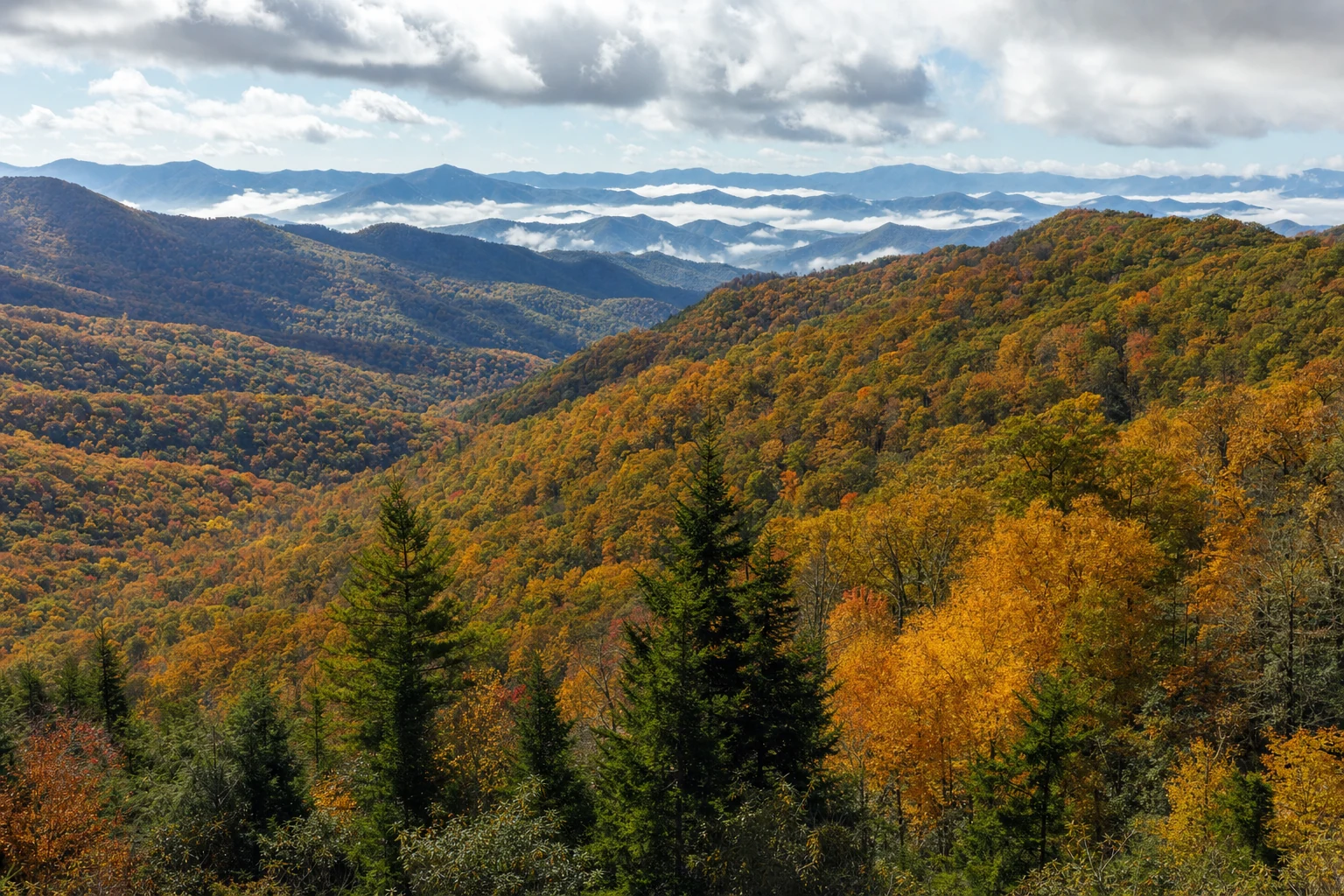
One practical caveat on mountain views: across a portfolio this size, "mountain views" covers a lot of ground. Some properties sit on ridgelines with open panoramic sightlines; others have partial views with tree cover. When booking, it's worth asking the company directly about orientation and obstructions, or studying photos taken from the cabin's outdoor spaces rather than of the cabin itself.
Booking and Timing
Stony Brook's full inventory lives at stonybrookcabins.com, where you can filter by location, sleeping capacity, and amenities. The Smokies high season runs roughly Memorial Day through late October, with secondary peaks over spring break and the first two weeks of December for Gatlinburg's annual Winter Magic light display. Rates climb during those windows, and well-positioned cabins go fast; six to eight weeks of lead time is a reasonable starting point for peak season, further out for major holiday weekends.
Midweek stays in shoulder season — early April, November, the first half of January — cut rates and dramatically thin the crowds. Trails don't close off-season; waterfalls run full from autumn and spring rain; you won't be competing with summer Saturday crowds at Alum Cave or Laurel Falls. The park is genuinely better in those quiet stretches for most visitors, and pricing reflects that nobody else has figured it out yet.
Getting There
Knoxville McGhee Tyson Airport is the closest major airport, about 45 miles west of Gatlinburg via I-40 and US-441 — under an hour in normal traffic, closer to 90 minutes on a Friday afternoon in July. Asheville Regional Airport (AVL) on the North Carolina side is a viable alternative if your routing favors the east, sitting roughly 60 miles from the Cherokee park entrance.
There's no meaningful public transit into this part of the Smokies, so a rental car is a practical necessity regardless of which Stony Brook property you book. For cabins on steeper ridgelines, check the approach road before booking if you'll be there in winter; some mountain-view properties involve narrow, steep access lanes that are manageable in summer but push the limits of two-wheel-drive vehicles once ice arrives. A 4WD or all-wheel-drive vehicle is advisable for late December through February stays if you're aiming for a higher-elevation property.