
About Gatlinburg Mountain Coaster
Riding a mountain coaster is nothing like the theme-park coasters you've ridden before, and that difference is exactly what makes it interesting. The track runs fixed down the hillside, gravity does most of the work, and a handlebar brake lets you set the pace — slow and scenic or wide open, entirely your call. At Gatlinburg Mountain Coaster, that experience plays out against the kind of forested ridgeline views that the Smokies do better than anywhere in the eastern United States.
What the Ride Actually Is
Mountain coasters belong to a specific category of alpine attraction: a wheeled cart on a fixed rail that descends a hillside, carried to the starting point by a conveyor or lift system. You sit down, pull out onto the track, and let the descent begin. The hand brake is functional and meaningful; it's not decorative. Riders who want a slow drift through tree-lined curves get exactly that, and riders who want to take every straightaway at full speed get a completely different ride.
This is one reason mountain coasters draw a broader audience than zip lines or bungee attractions. The physical demand is close to zero. The experience is self-selected; the person ahead of you can be barely moving while you're pushing the limit behind them. Nobody has to negotiate a shared pace, which makes this work well for groups where thrill tolerances vary.
Who It's Right For
Children who meet the minimum height and age requirements will generally do fine if they're comfortable with mild speed and open elevation. Confirm the current thresholds before you go, since they update occasionally and vary by specific ride. Kids who are uneasy about heights may find the lift view more intense than they anticipated, even before the coaster begins moving.
Adults who don't usually seek out thrill rides tend to find mountain coasters more accessible than expected; the brake gives them genuine control and they're never fully at the ride's mercy. That said, anyone with recent neck or back injuries, or post-surgical restrictions, should read the posted health guidelines carefully before purchasing a ticket.
Whether a child can ride solo versus with an adult depends on their height relative to the two thresholds most coasters post. Many allow a smaller child in the front seat while the adult operates the brake from behind; others require adults in the control position regardless. If you're bringing young kids, confirm this arrangement before committing to tickets.
When to Go
Summer is peak season. Gatlinburg sees heavy visitor volume from late June through August, and popular attractions build long midday queues. Arriving at opening or coming in the evening improves your odds considerably; midweek typically runs lighter than weekends, sometimes by an hour of wait time or more.
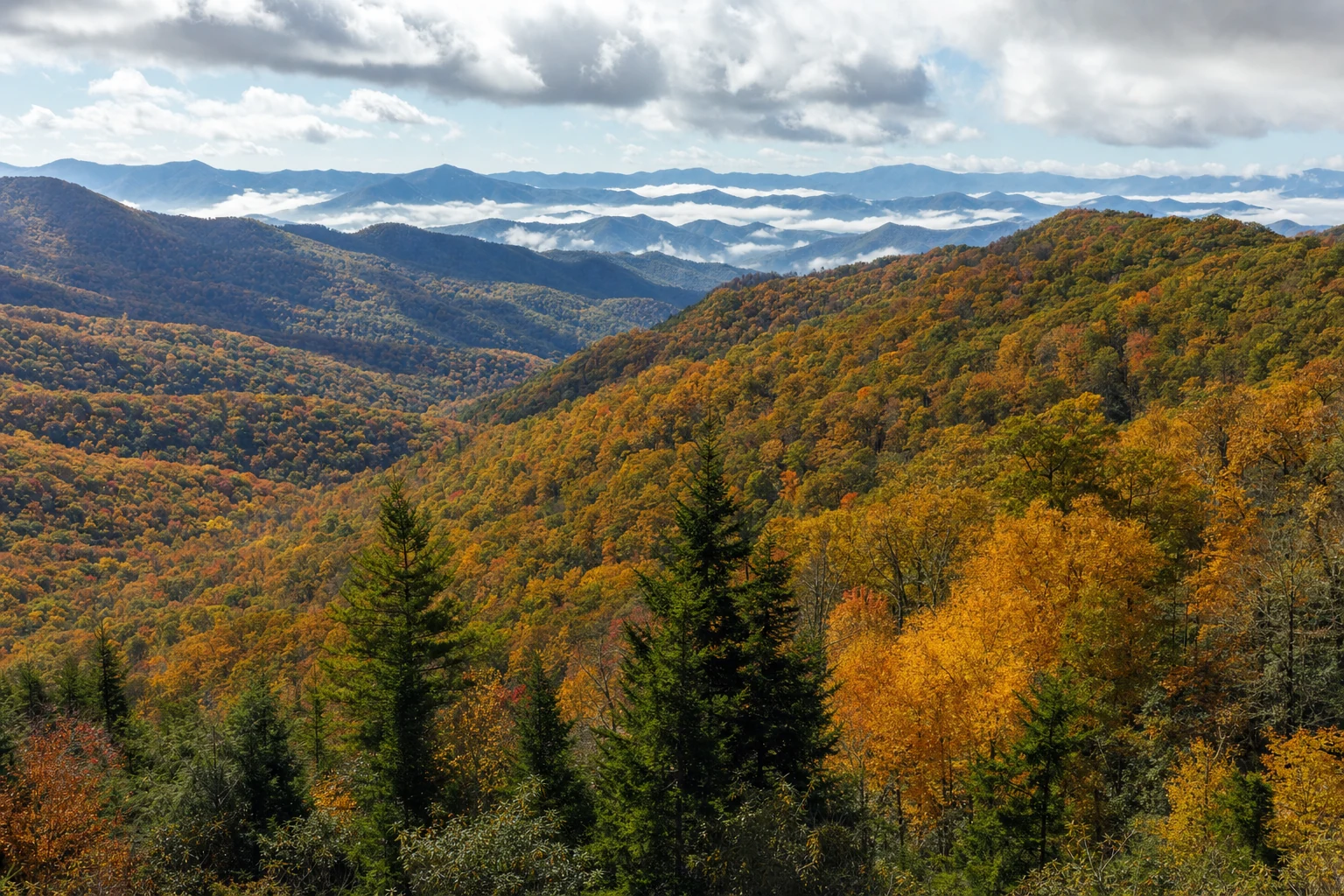
Fall foliage season runs roughly mid-October into early November at these elevations, and it's the most scenic window. Riding through changing hardwood forest looks different from any other time of year. The tradeoff is that crowds peak right alongside the color, so expect lines to be longer, not shorter, during the best visual conditions.
Spring and early winter are the quietest periods. A clear weekday in April or May means short queues and comfortable temperatures without the full press of summer heat. Early December, before the holiday surge builds in earnest, is another underused window for a lower-volume visit.
The coaster closes temporarily in wet or icy conditions, since a slick rail changes braking physics considerably. Always check day-of status before driving out, especially during shoulder seasons when Smokies weather shifts fast and without much warning.
Getting There
The coaster is accessible from the main corridor through Gatlinburg. Parking in town can be genuinely difficult on summer and fall weekends; the city operates paid lots that fill early, and street spots near busy areas go fast. Build extra time into your arrival if you're coming by car during peak periods.
The Gatlinburg Trolley system connects major points around town and is worth considering if you're based near a stop. It's an option a lot of visitors skip and then regret after spending thirty minutes circling for a parking space. The trolley runs on a fixed schedule, so check timing before you rely on it.
What to Pair It With
A few hours at the mountain coaster slots well into a half-day activity itinerary. SkyLift Park and the SkyBridge are nearby and share an orientation toward mountain views and moderate elevation-based experiences, so they pair naturally if your goal is a day built around that type of activity.
If you're planning a full day in Gatlinburg, hit the coaster early, before midday heat and line buildup. That leaves your afternoon open for lower-intensity options: the shops and distilleries along the main strip, a meal at one of the local restaurants, or a short drive into Great Smoky Mountains National Park. The Sugarlands Visitor Center sits just a few minutes outside downtown, it's free, and it has short accessible trails even if a full hike isn't in the plan. Operators sometimes bundle combination tickets with adjacent attractions, so check before buying single-admission tickets.
Before You Go
Online purchase is the better move for high-volume Gatlinburg attractions. Even when it doesn't guarantee a specific time slot, buying ahead skips the ticket counter and gets you to the ride faster.
Dress for the elevation. The coaster sits on a hillside above town, and temperatures there run noticeably cooler than street level. In summer, a light layer in your bag is a reasonable precaution. In fall or spring, what looks fine on a morning weather app can feel significantly colder once you're moving at speed with wind in the mix.
Secure anything you'd regret losing before you board. The track runs through forested terrain, and items that come loose mid-ride are effectively gone. Leave phones and sunglasses locked in a car or in a zip-close pocket. Hats with loose fits or drawstrings need to go in a pocket as well.