
About Hazel Creek Trail:
Now I'll write the Hazel Creek Trail guide applying all the anti-AI-slop constraints.
---
Hazel Creek Trail is one of the few places in Great Smoky Mountains National Park where logistics genuinely filter who shows up. There's no road to the trailhead, no parking area waiting at the end of a short drive — getting there requires crossing Fontana Lake by boat. That single requirement keeps the 15.3-mile corridor along Hazel Creek quieter than almost anything else in the park, and it rewards the planning.
Getting to the Trailhead
Fontana Lake sits on the southwestern edge of GSMNP in North Carolina, and the Hazel Creek trailhead sits on its far bank. The standard approach is to arrange a boat shuttle from the Fontana Village Marina; the marina runs ferry service to the backcountry landing during the hiking season, though hours and availability vary by time of year, so confirm current schedules directly before you go. If you're paddling in yourself by kayak or canoe, account for the lake's size and the fact that afternoon winds can make open-water crossings rough.
Parking before the crossing puts you in or near Fontana Dam territory. A Park-It-Forward tag is required at any parking area inside GSMNP boundaries (daily $5 / weekly $15 / annual $40 via recreation.gov or park kiosks). Verify which lots require it at this access point, as some Fontana Dam facilities are managed separately from the park's interior.
The Trail
Fifteen and a third miles is a long trail even when it's rated moderate, and the moderate rating here reflects sustained, manageable grade rather than anything flat or casual. Hazel Creek itself runs alongside much of the route, and the trail traces the old roadbed that once served the community that lived here before the park absorbed this land. The surface is good by backcountry standards: wide, relatively clear, with the gradual elevation gain that comes from following a creek valley upstream.
Several side streams cross the path, and some of those crossings have no bridges. In spring, snowmelt and rain can push the water up fast; wading in May is a different experience than stepping over the same spot in September. Waterproof boots earn their place on a trip like this.
The length means most people hike Hazel Creek as a multi-day backpacking trip rather than an out-and-back in a single day. The one-way designation in NPS records points to how people actually use it: hike in from the boat landing, camp along the creek, and either return the same way or continue to the Appalachian Trail at the upper end and exit through a different part of the park entirely.
Backcountry Permits and Camping
GSMNP requires a backcountry permit for all overnight camping in the park's interior, and it's a reservation system, not a walk-up lottery. Book your campsites through recreation.gov well before your trip, especially if you're targeting spring or fall weekends. Designated backcountry campsites along Hazel Creek fill up; specific site numbers, capacities, and availability are listed in the park's backcountry reservation system. Don't assume a remote trail means open camping anywhere you like — NPS enforces site assignments actively here.
Hang all food and scented items in a bear canister or from a bear box if one's provided at your site. Black bears use Hazel Creek as much as any other part of the park, and a creek corridor with good cover is exactly the kind of terrain they favor.
What Remains of Proctor
Before the federal government created GSMNP in the 1930s, families had been living and working in the Hazel Creek drainage for generations. The community of Proctor once held homes, a school, a church, a lumber company; the remains of some of that infrastructure are still visible along the trail corridor. Stone chimneys sit in the trees. Old road cuts reveal themselves in the shape of the ground. Hikers who know to look will find evidence of orchards gone wild, stone walls outlining property lines that no longer exist.
The history isn't narrated for you — there are no signs explaining every ruin. That's part of what makes it worth paying attention to.
Fishing
Hazel Creek has a strong reputation among trout anglers who know GSMNP's backcountry streams. The water runs clear, cold, and relatively undisturbed compared to creeks accessible by road, and the combination of wild rainbow and brook trout in upper sections draws serious fly fishers willing to put in the effort the access demands. A valid fishing license for North Carolina is required, along with compliance with GSMNP's specific fishing regulations (artificial lures only in most park streams). Check current NPS regulations before you go, as rules for specific sections can differ from the general statewide framework.
When to Go and What to Bring
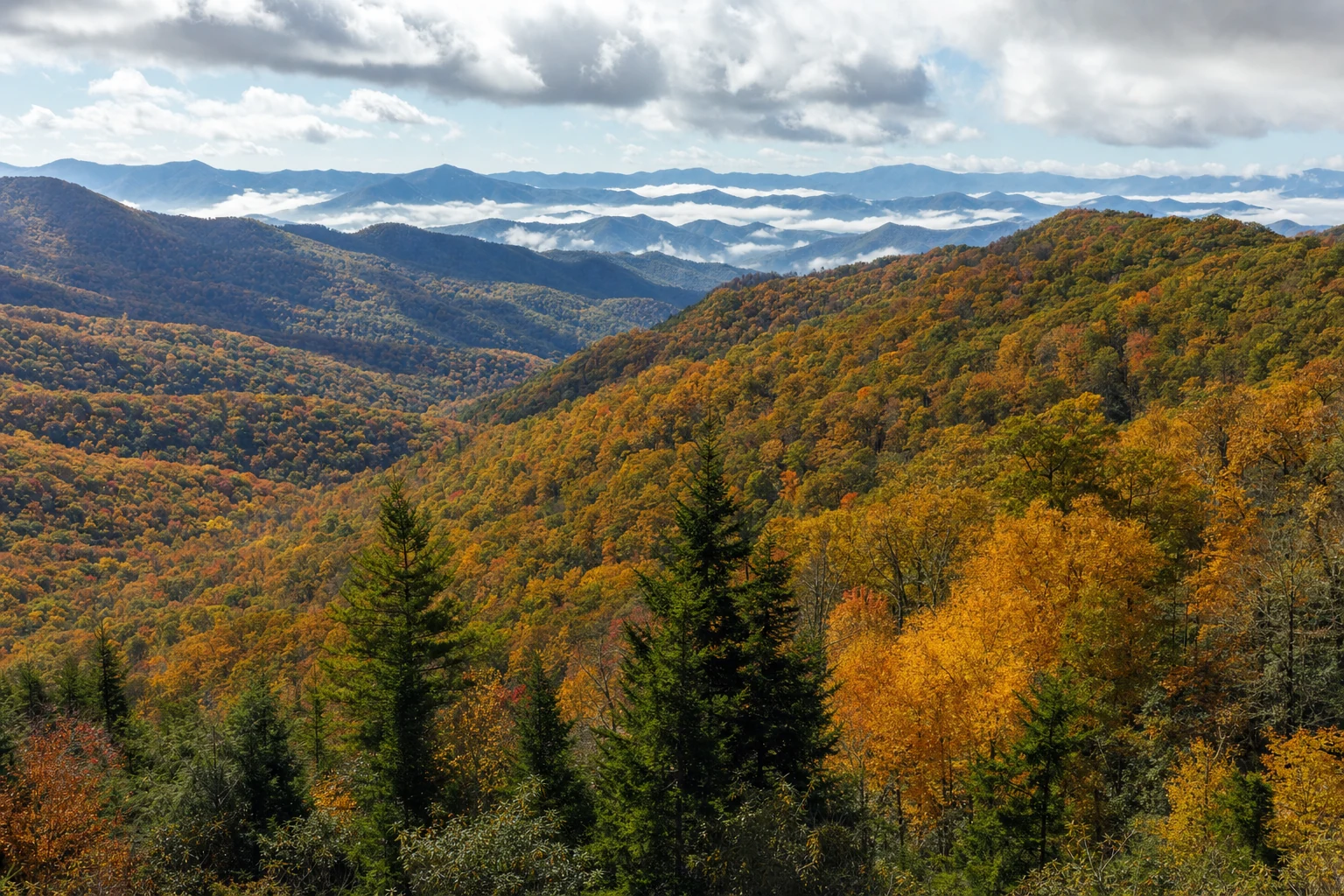
Late April through early June brings the most dramatic wildflower bloom in the creek valley — trillium, trout lily, phacelia, and hepatica come on fast and thick at this elevation. Fall runs from late September through mid-October and offers the color and cooler temperatures that make long-distance hiking considerably more comfortable than July. Summer is doable but hot and humid at lower elevations along the creek; push off early and expect afternoons to drag.
Winter strips the trail of almost everyone and gives you genuine solitude and clear sight lines through the trees, but check weather carefully before committing to a backcountry overnight in January; cold snaps hit the North Carolina side of the park hard, and frozen creek crossings add a different kind of difficulty to the moderate rating.
Pack layers regardless of season. Carry more water purification capacity than you expect to need — drinking directly from Hazel Creek is tempting given how clean it looks, but waterborne pathogens don't announce themselves. A paper topo map matters here; cell coverage is poor to nonexistent for the length of the trail.
Frequently asked questions
- Do I need a parking tag?
- Yes — a Park It Forward parking tag is required for vehicles parked more than 15 minutes anywhere inside Great Smoky Mountains National Park. Daily ($5), weekly ($15), or annual ($40) tags are available via recreation.gov or park kiosks.