
About Old Settlers Trail
---
Old Settlers Trail runs 16 miles one-way through the quieter eastern end of Great Smoky Mountains National Park, connecting the Cosby area to Greenbrier Road. The history pressed into this corridor is more tangible than anywhere else in the park: chimneys standing alone in hollows where the cabins have been gone for eighty years, and family cemeteries that descendants still maintain. This is a route for people who want a long, genuine day in the woods or a proper backpacking trip, not a leg-burner summit view.
What You're Signing Up For
Strenuous is the official rating, and it earns it through accumulated distance rather than any single brutal climb. Sixteen miles point-to-point with varying elevation across the full route means you're on your feet for most of the day if you push through without camping. The trail moves through forested hollows and across creek drainages, following paths that Appalachian farming families wore into these mountains in the 1800s before the park displaced them in the 1930s. Expect a mix of wide, easy-walking old road grades and narrower footpath through denser growth; creek crossings can run high in spring and after heavy rain.
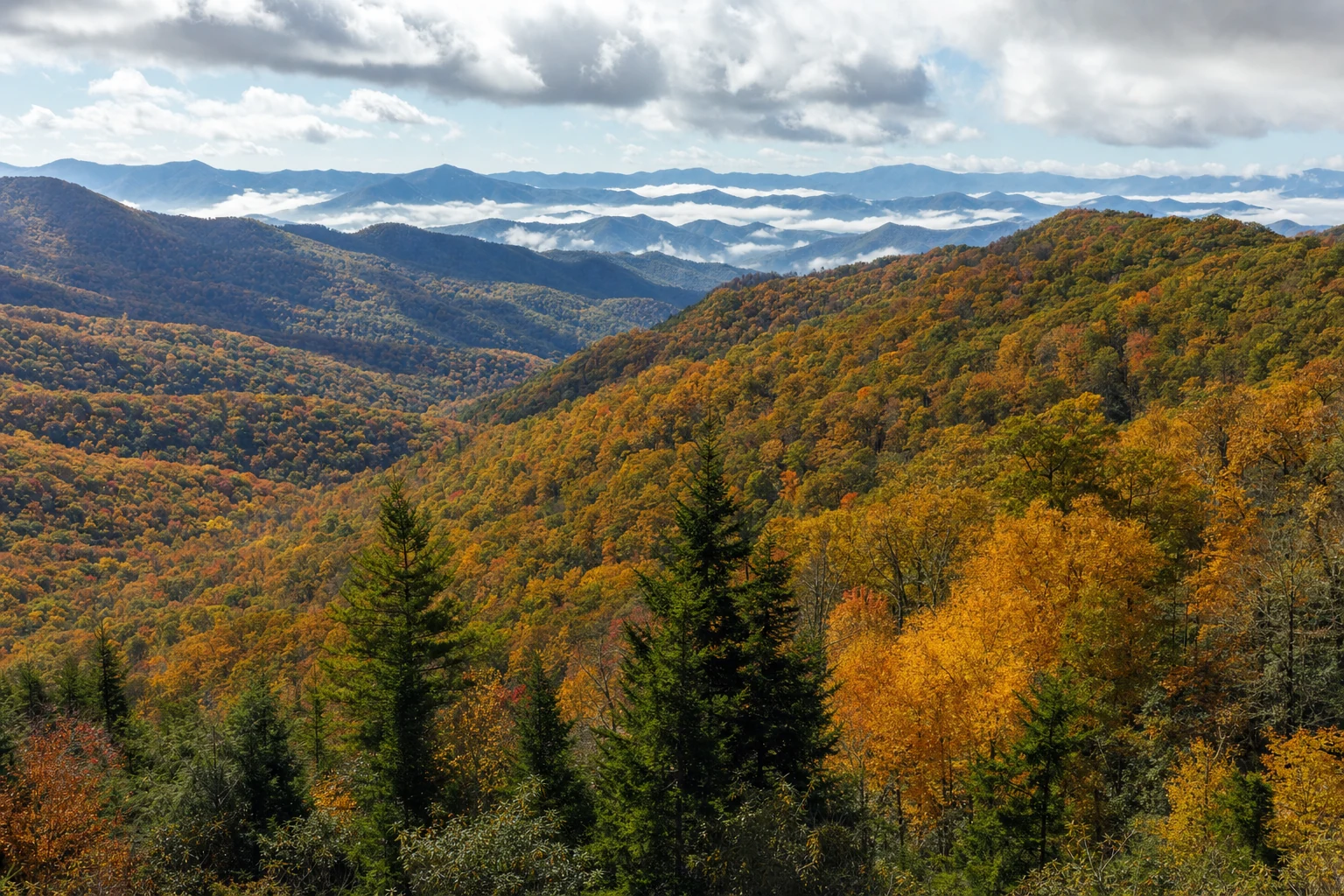
The trail's eastern character is fundamentally different from the park's high-elevation routes. No alpine meadows or sweeping summit views. What you get instead is forest intimacy, the sound of water running alongside you for long stretches, and the gradual accumulation of miles through a landscape that rewards close attention over panorama-seeking.
Solitude is nearly guaranteed. Old Settlers doesn't draw the crowds that pile up at Alum Cave or Laurel Falls, partly because of the logistics involved in a point-to-point route, and partly because 16 miles filters out casual visitors quickly.
The History on the Ground
The cultural layer is what separates Old Settlers from most multi-mile hikes in the park. You'll walk past remnants of actual homesteads: chimneys that once warmed families through mountain winters, stone-lined spring boxes that piped water to cabins now gone, cellar holes where root vegetables once kept, and foundation walls barely visible under decades of leaf litter. The cemeteries scattered along the route aren't overgrown and invisible; descendants of the families who farmed here before federal acquisition still maintain several of them.
The settlers who built their lives in these coves during the 1800s were largely subsistence farmers, working the same creek drainages the trail follows today. The park's establishment in the 1930s ended that chapter; the park bought out most residents, with some displacement less voluntary than others. What they left behind is what you find walking this trail: names carved in stone that predate living memory, a foundation where someone's kitchen once was. It's worth slowing down in those sections.
Logistics: Shuttle, Sections, and Overnights
Point-to-point means you can't walk back to your car, so plan this one carefully. The trailhead sits near Cosby at 35.7740° N, 83.2700° W at the Old Settlers Trail parking area. The far end terminates at Greenbrier Road. You'll need either a two-car shuttle with vehicles at each end or a ride-share arrangement back to your start.
Some hikers cover Old Settlers in sections across separate days, which works well for exploring specific homestead clusters without committing to the full distance at once. The trail is accessible from either end, so section-hiking in either direction is practical depending on your shuttle logistics.
For an overnight trip, a backcountry permit is required. The park's reservation system opens well in advance, and popular shelter dates fill quickly; book early. Camping is in designated backcountry sites only.
When to Hike It
Spring is the strongest choice for Old Settlers. Wildflowers push up through the old homestead clearings and along creek banks before the forest canopy closes over, and bare hardwoods open up sightlines through the understory that you lose entirely by June. Water sources run full. The weather is genuinely unpredictable — snow in March is possible, and a warm April front can make the trail humid and buggy by afternoon — but conditions are manageable with proper layering.
Fall is good but comes with the crowd math of the broader park. Foliage peaks around mid-October in the Smokies, which coincides with maximum regional visitation. Old Settlers stays quieter than the marquee destinations, but roads and parking will be busier than usual.
Summer works if you start by 6 a.m. and carry enough water to cover the full route without counting on convenient creek access. Thunderstorms develop across the mountains with real frequency from June through August; be off exposed terrain by early afternoon.
Winter thins the crowds to near zero and strips the hardwoods bare, making old homestead remains more visible through the open understory. Road closures at higher park elevations don't affect this trailhead's access, but verify conditions before you go.
Getting There and Parking
The Cosby-end trailhead is roughly 30-40 minutes from downtown Gatlinburg via US-321 east. Follow signs for Cosby Campground; the trail parking sits in the same area. The Greenbrier Road terminus, if you're running a two-car shuttle, is also accessed from US-321, closer to Gatlinburg's side of the park.
A Park-It-Forward parking tag is required for any vehicle staying more than 15 minutes inside Great Smoky Mountains National Park. Tags cost $5 per day, $15 per week, or $40 annually, purchased through recreation.gov before you arrive or at park entrance kiosks on the way in. Shuttle setups require tags for both vehicles.
What to Carry
Sixteen miles is a full-commitment day, and a few things will determine how it goes. Carry more water than you think you need; filtering from streams is an option if you have a reliable filter, but don't plan your hydration around any single source along the route. Pack food for the full distance, not just lunch, since caloric burn at this length adds up faster than most people expect.
Mountain weather in the Smokies shifts without much warning, so a rain layer and a warm layer belong in your pack regardless of the morning forecast, even in summer. Cell service across most of this trail is poor to nonexistent; download an offline map before you leave the car.
Black bears are active throughout the park. Keep at least 50 yards of distance and store food properly (bear canister or hanging system, not left accessible in a day pack). Bear encounters on Old Settlers are not unusual; they're a wildlife sighting managed through proper distance and behavior, not an emergency.
Trekking poles earn their weight on a day this long.
Frequently asked questions
- How long is Old Settlers Trail?
- Old Settlers Trail is 16 miles one-way, with modest feet of elevation gain. It is rated strenuous.
- Do I need a parking tag?
- Yes — a Park It Forward parking tag is required for vehicles parked more than 15 minutes anywhere inside Great Smoky Mountains National Park. Daily ($5), weekly ($15), or annual ($40) tags are available via recreation.gov or park kiosks.