
History
Best Historic Sites in the Smokies
16 curated picks · verified 2026-05-28
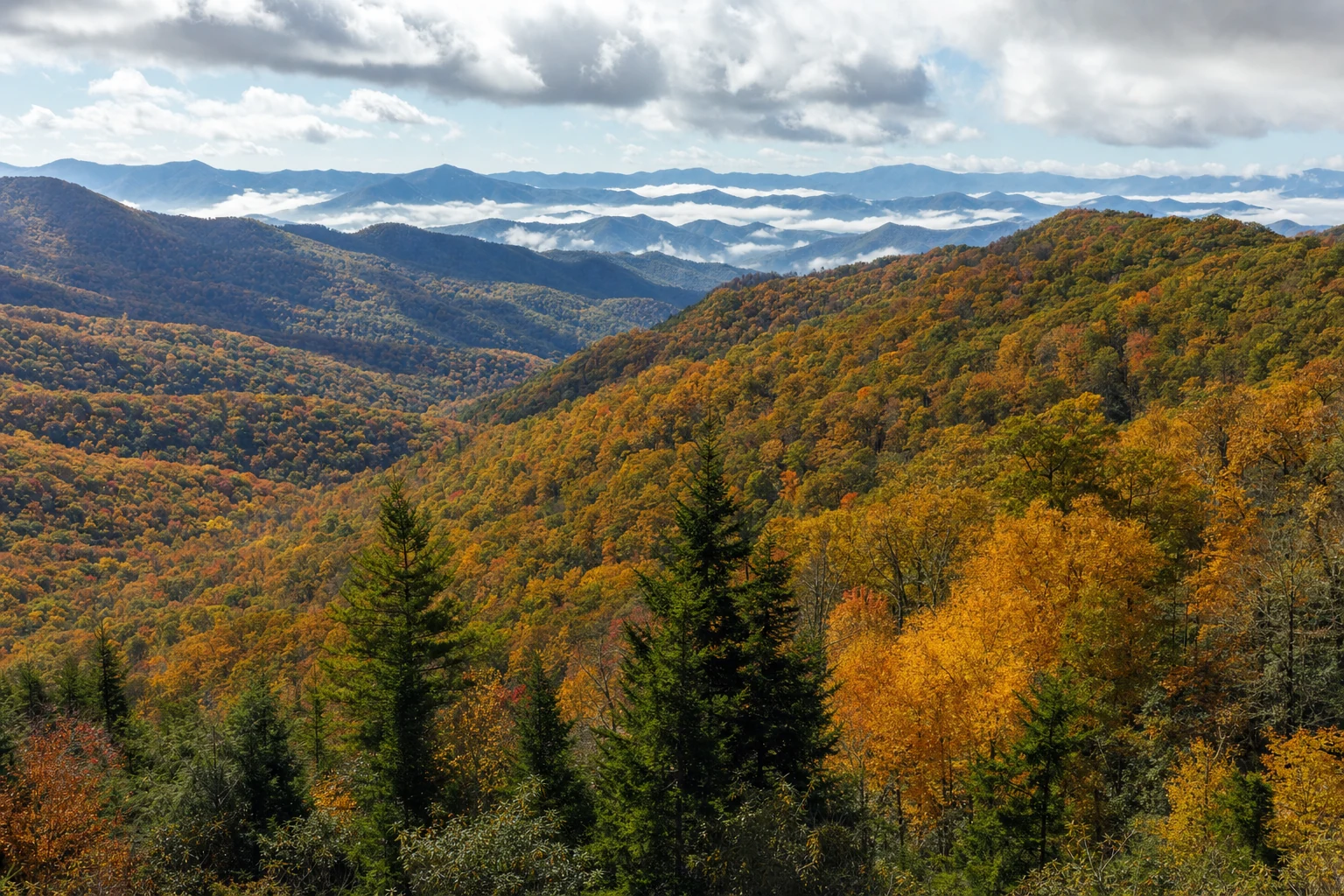
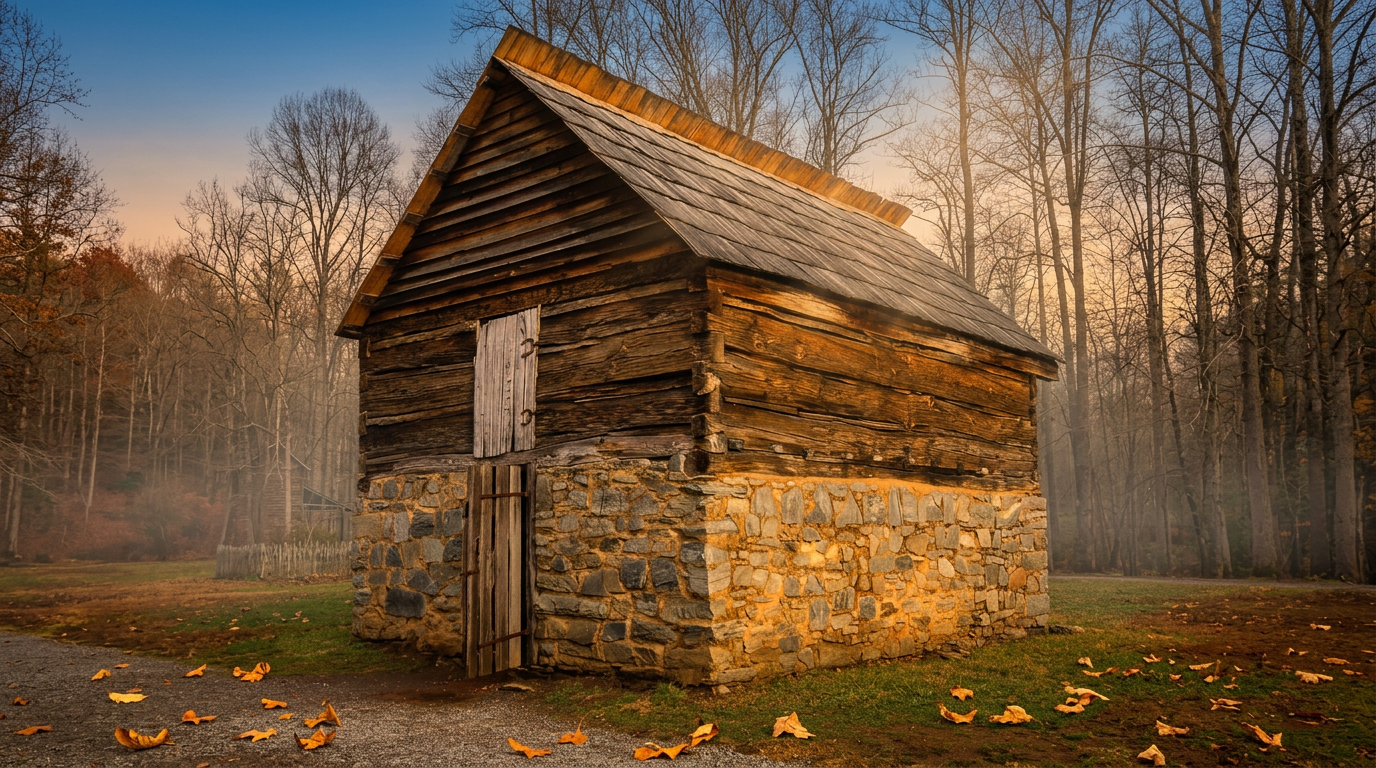
The Great Smoky Mountains wasn't empty forest when it became a national park in 1934. Roughly 6,000 people lived there, farming coves and ridges that their families had worked for generations. The park service acquired those lands through a mix of purchase and condemnation; most residents left. What's on this list is what remained: cabins, mills, churches, and farm outbuildings that the park has preserved as a record of that vanished way of life.
The 16 picks here fall into two main clusters. The Mountain Farm Museum near Oconaluftee assembled structures from various locations across the park onto a single working-farm footprint, so you can walk from the apple house to the blacksmith shop to the smokehouse in under an hour. Cades Cove, on the Tennessee side, keeps its buildings in their original locations along an 11-mile one-way loop road; each stop requires getting back in the car, but the structures still sit in the landscape they were built for, surrounded by open pasture that would be recognizable to someone who farmed here 150 years ago.
Walker Sisters Cabin stands apart from both clusters. The sisters refused to leave when the park formed and were granted life-rights to their land, staying until the last one died in 1964. Reaching the cabin complex takes a hike of roughly a mile and a half from the Little Greenbrier trailhead.
A few practical notes before you go:
- Park-It-Forward parking tag is required at most GSMNP trailheads and busy parking areas: $5/day or $15/week, purchased in advance at recreation.gov. America the Beautiful and GSMNP Annual Pass holders are exempt.
- Cades Cove loop road closes to vehicles on Wednesday and Saturday mornings until 10 a.m. to accommodate cyclists and walkers.
- Fall weekends push the Cades Cove loop to three or four hours. Arriving before 9 a.m. cuts that significantly.
- The Mountain Farm Museum sites are flat and sit immediately beside the Oconaluftee Visitor Center parking area — no hiking required.
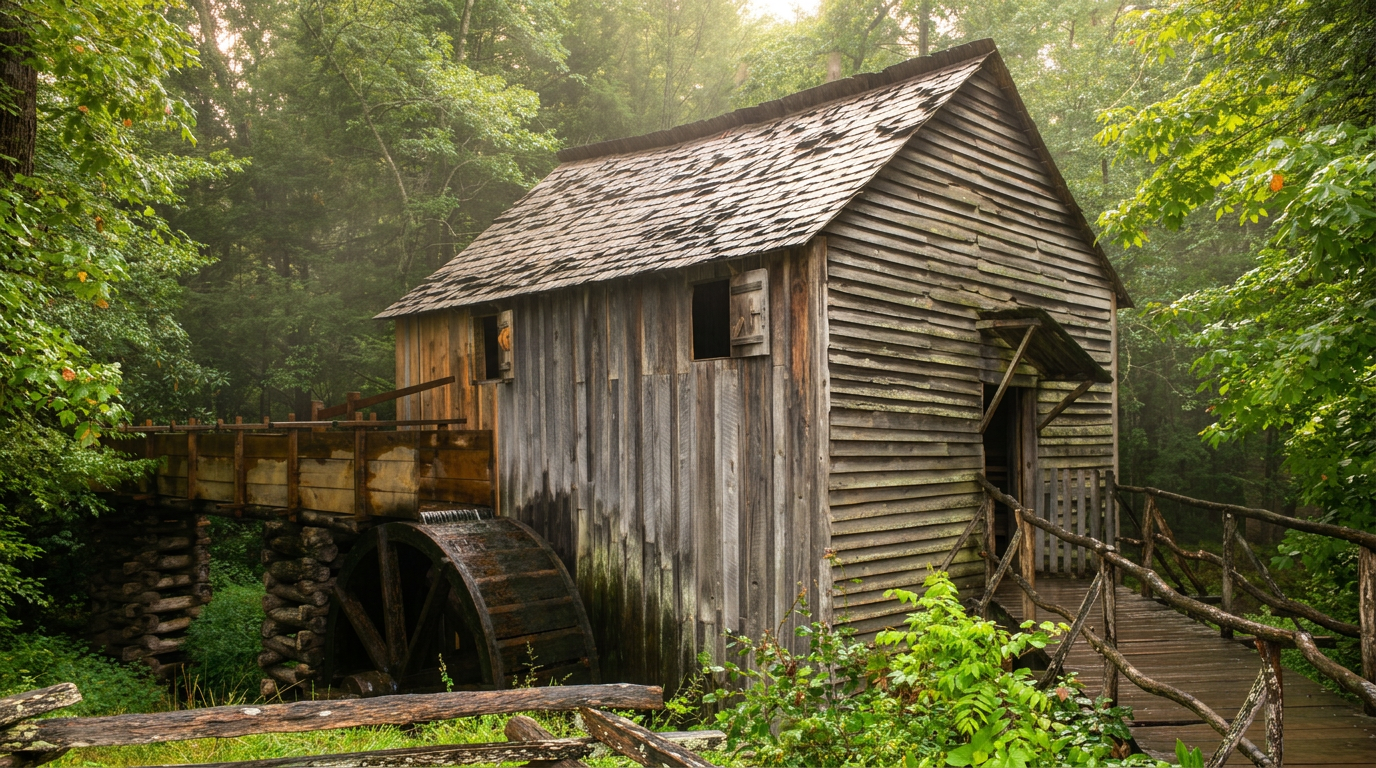
Cable Mill is the only working structure on this list. Park interpreters run grist mill demonstrations during the main visitor season, which makes it worth timing your Cades Cove visit around.
- 1
Apple House
Oconaluftee / Mountain Farm Museum: A Living History Exhibit · built 19
Preserved storage building in the Oconaluftee / Mountain Farm Museum: A Living History Exhibit area.
-
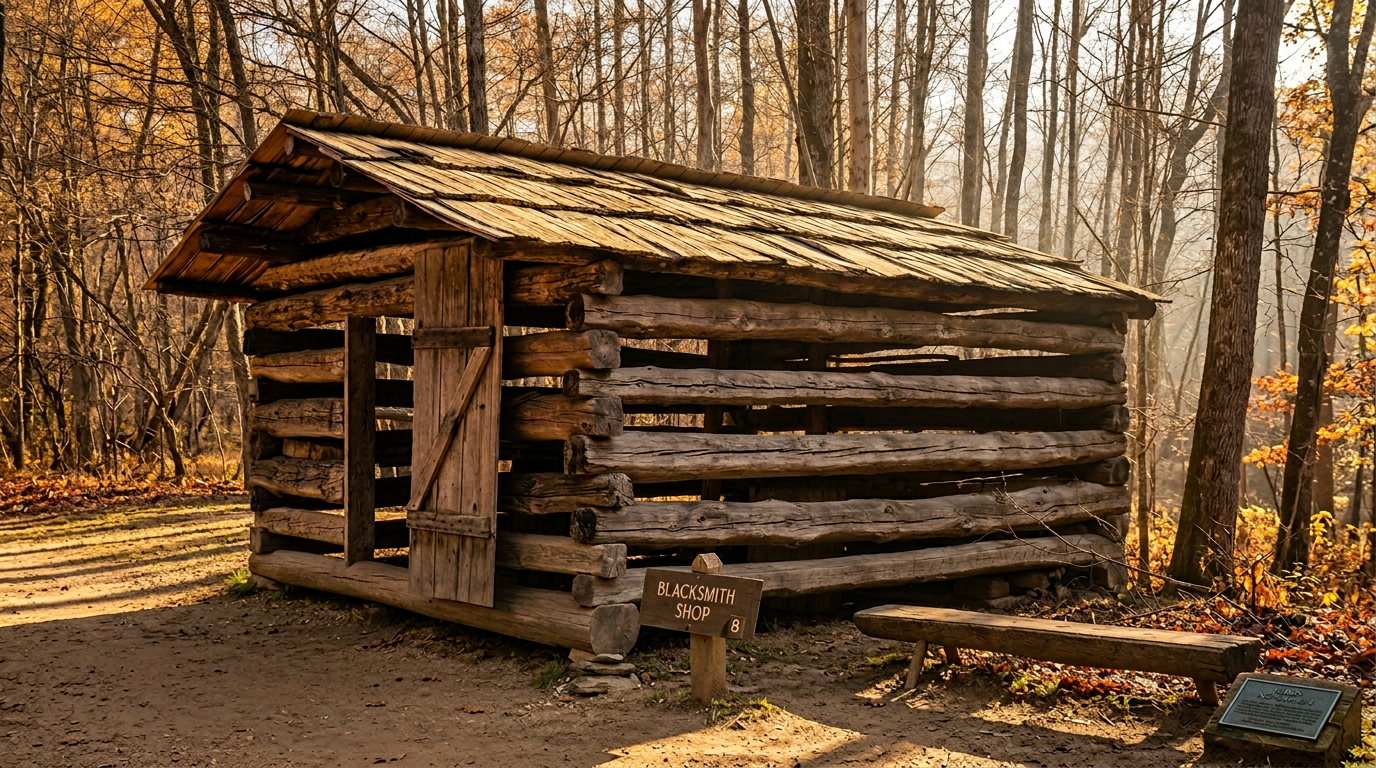 2
2 Blacksmith Shop
Oconaluftee / Mountain Farm Museum: A Living History Exhibit · built 19
Preserved workshop in the Oconaluftee / Mountain Farm Museum: A Living History Exhibit area.
-
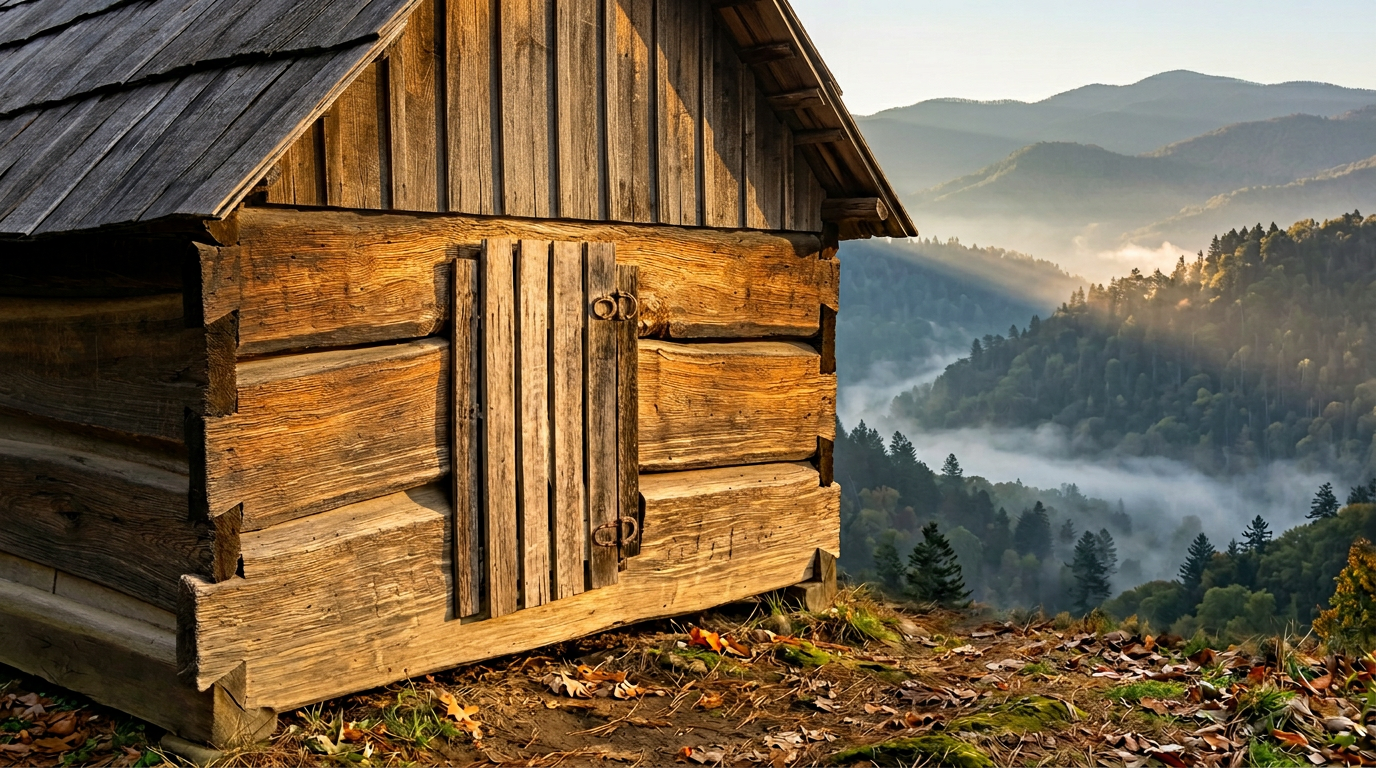 3
3 Corn Crib
Oconaluftee / Mountain Farm Museum: A Living History Exhibit · built 19
Preserved storage building in the Oconaluftee / Mountain Farm Museum: A Living History Exhibit area.
- 4
Meat House
Oconaluftee / Mountain Farm Museum: A Living History Exhibit · built 19
Preserved storage building in the Oconaluftee / Mountain Farm Museum: A Living History Exhibit area.
-
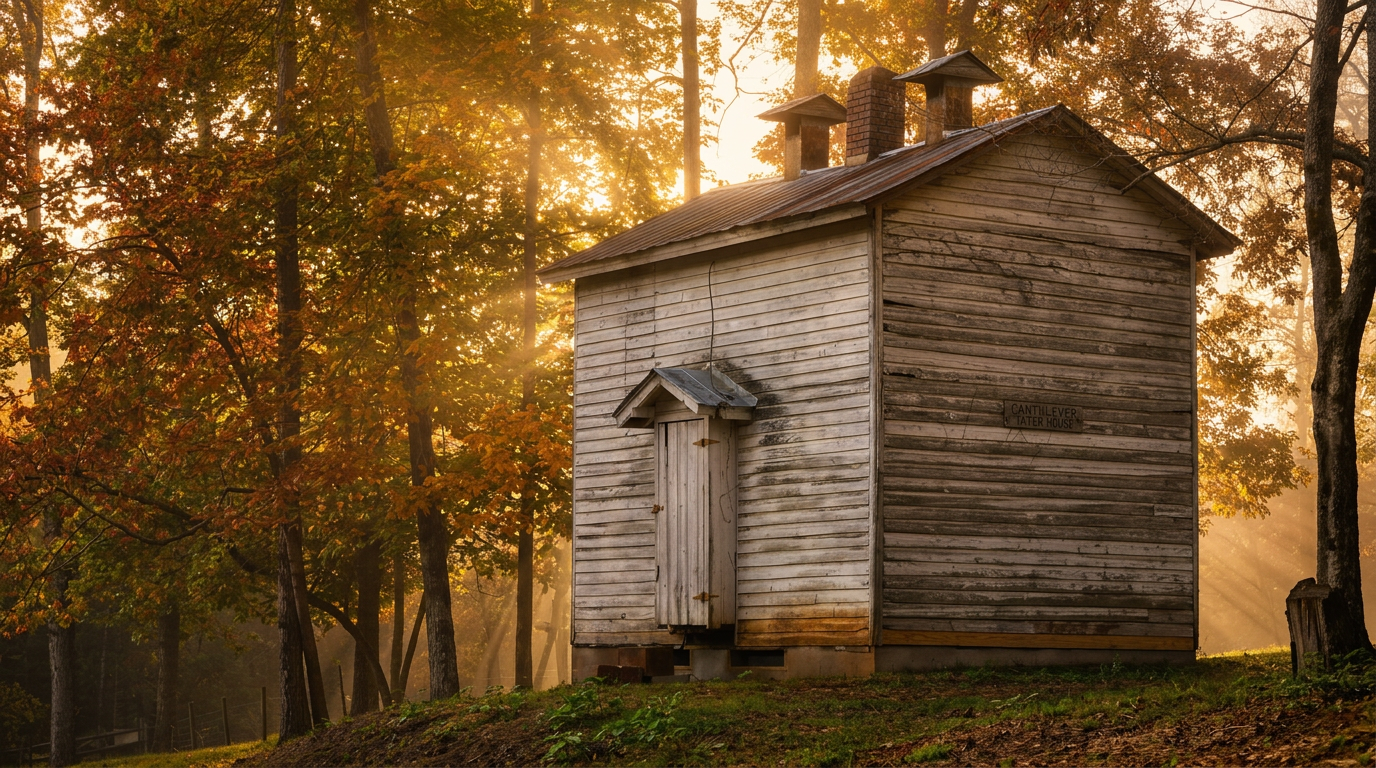 5
5 Smokehouse
Oconaluftee / Mountain Farm Museum: A Living History Exhibit · built 19
Preserved storage building in the Oconaluftee / Mountain Farm Museum: A Living History Exhibit area.
-
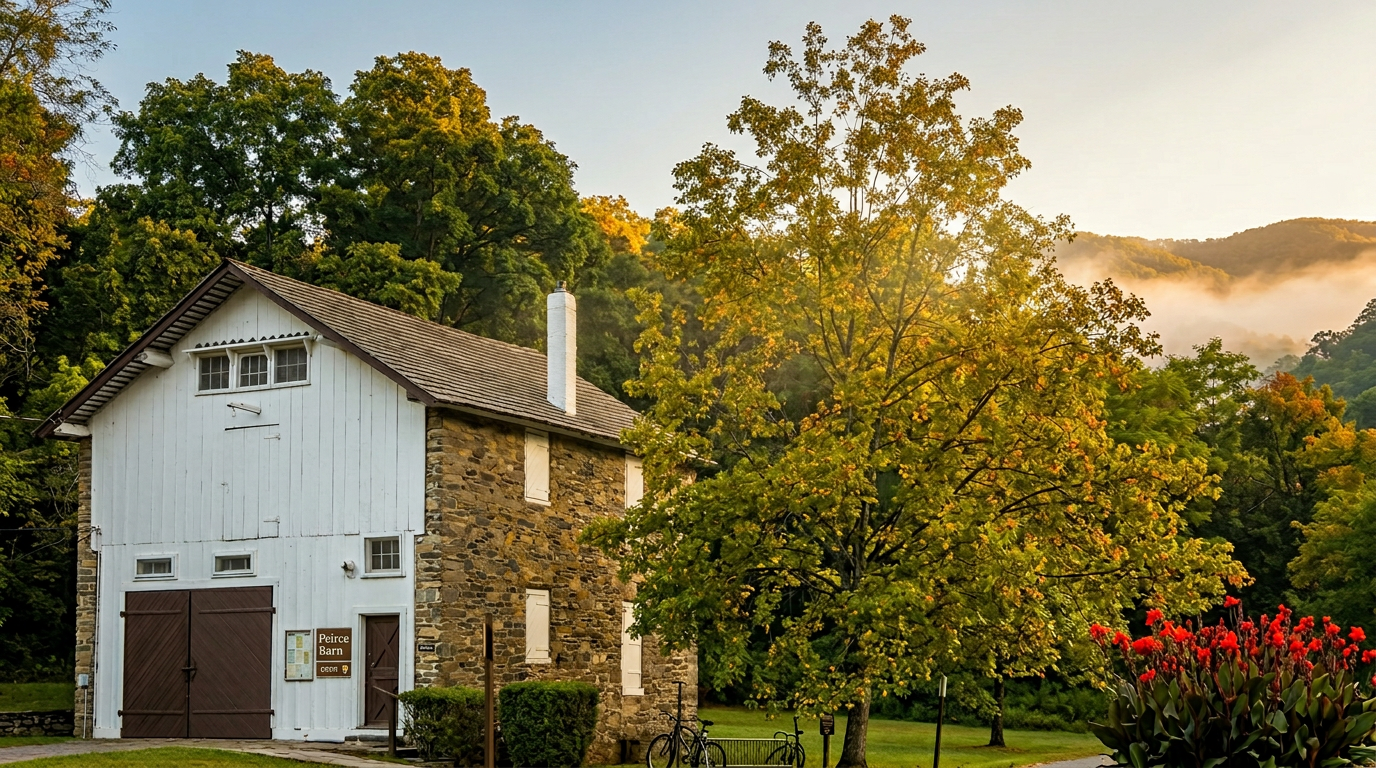 6
6 Springhouse
Oconaluftee / Mountain Farm Museum: A Living History Exhibit · built 19
Preserved storage building in the Oconaluftee / Mountain Farm Museum: A Living History Exhibit area.
- 7
Lumber Shed (along Little River Trail)
Elsewhere in the Park · built 20
Preserved shed/outbuilding in the Elsewhere in the Park area (built 20).
-
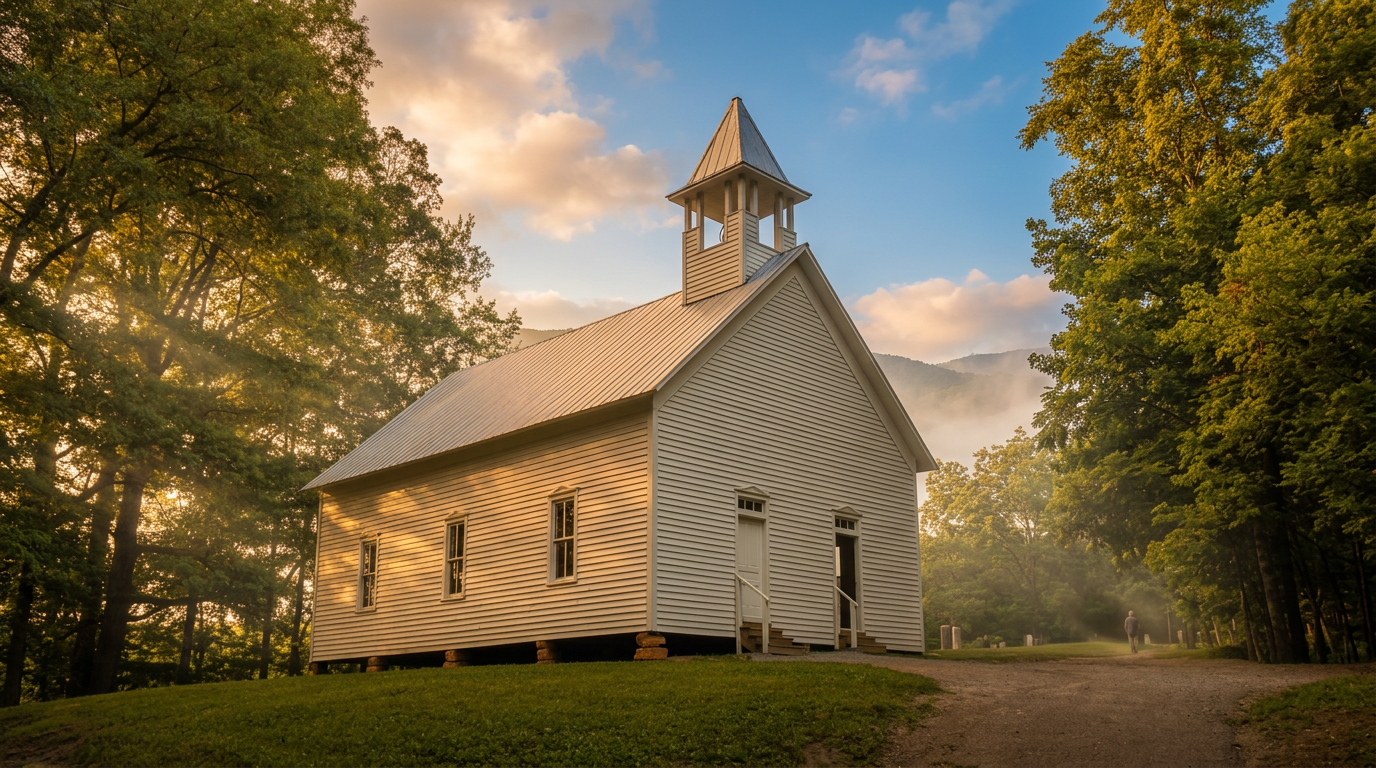 8
8 Cades Cove Methodist Church
Cades Cove: A Window to Pioneer Life · built 1820
Preserved church in the Cades Cove: A Window to Pioneer Life area (built 1820).
-
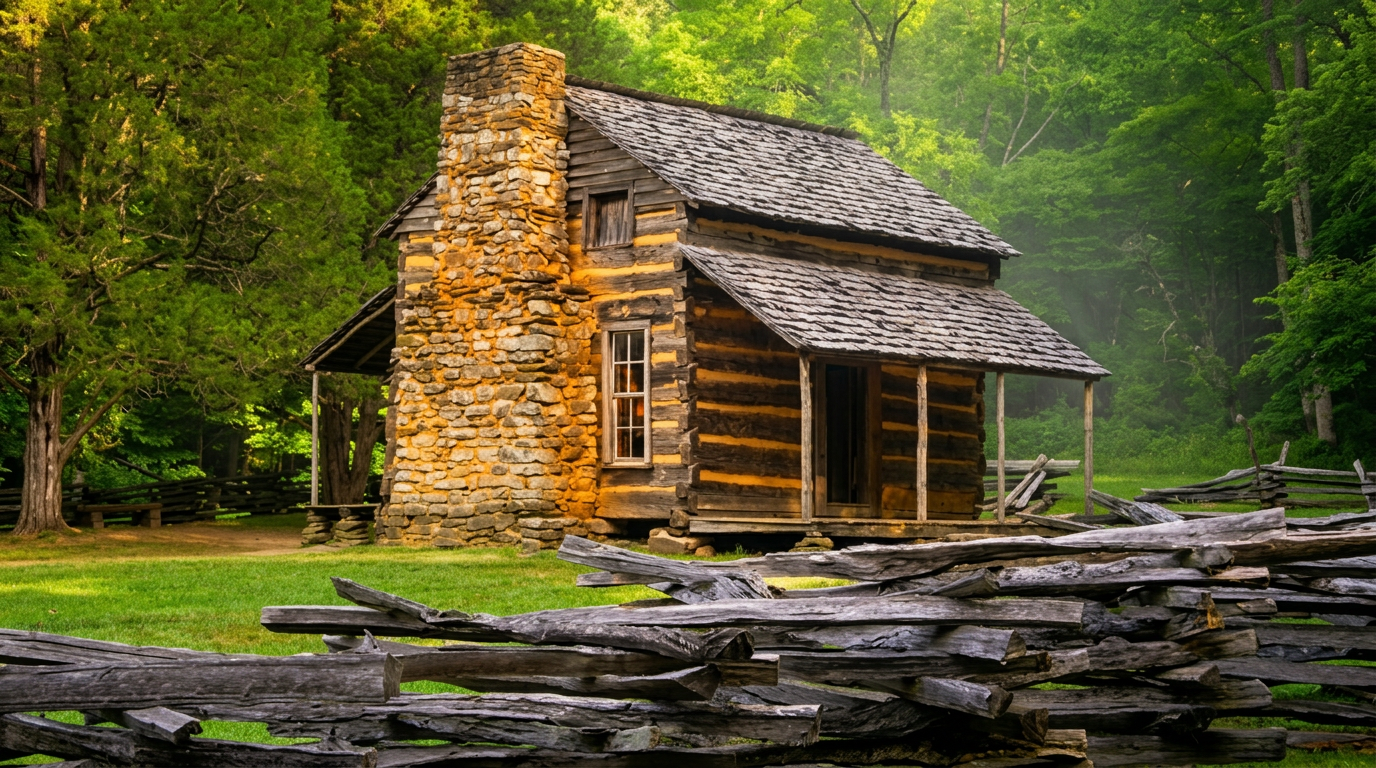 9
9 John Oliver Cabin
Cades Cove: A Window to Pioneer Life · built 1822
Preserved cabin in the Cades Cove: A Window to Pioneer Life area (built 1822).
-
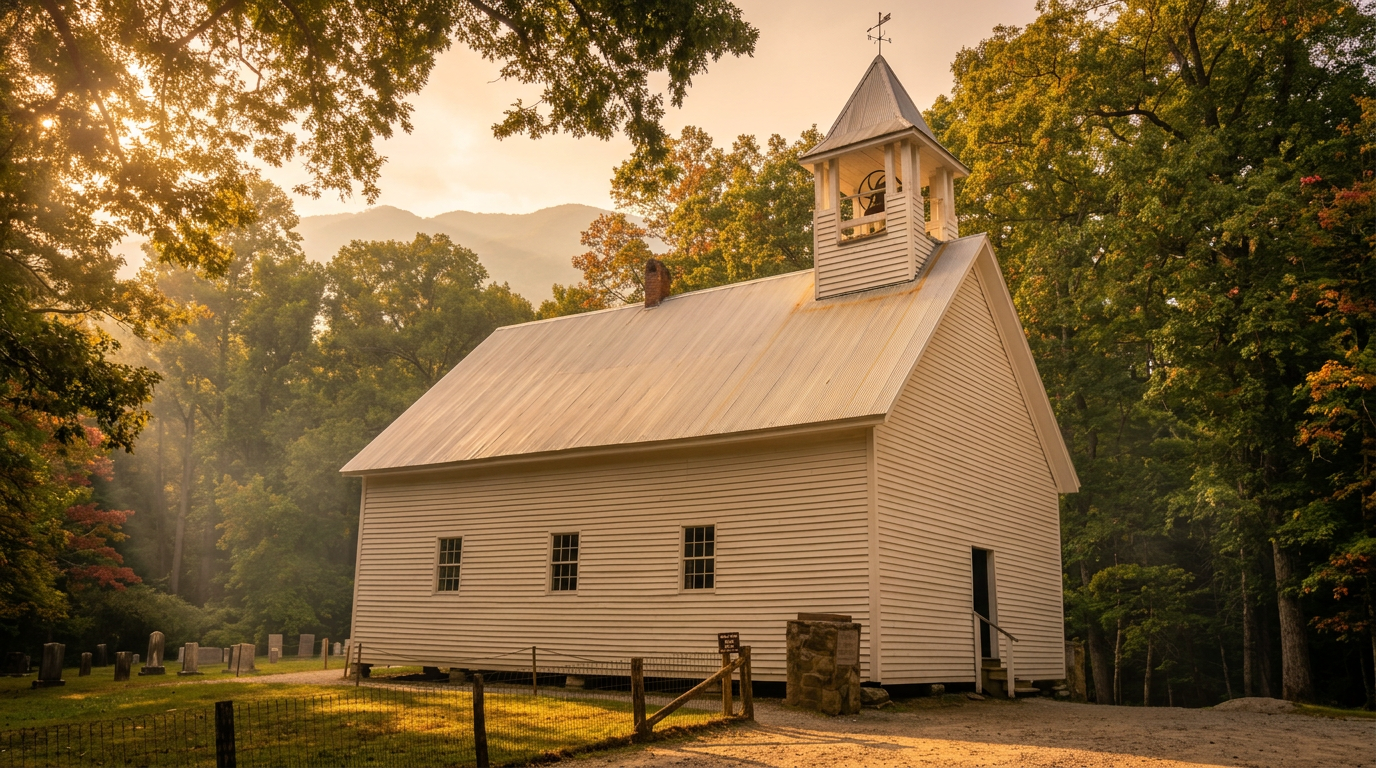 10
10 Primitive Baptist Church
Cades Cove: A Window to Pioneer Life · built 1827
Preserved church in the Cades Cove: A Window to Pioneer Life area (built 1827).
-
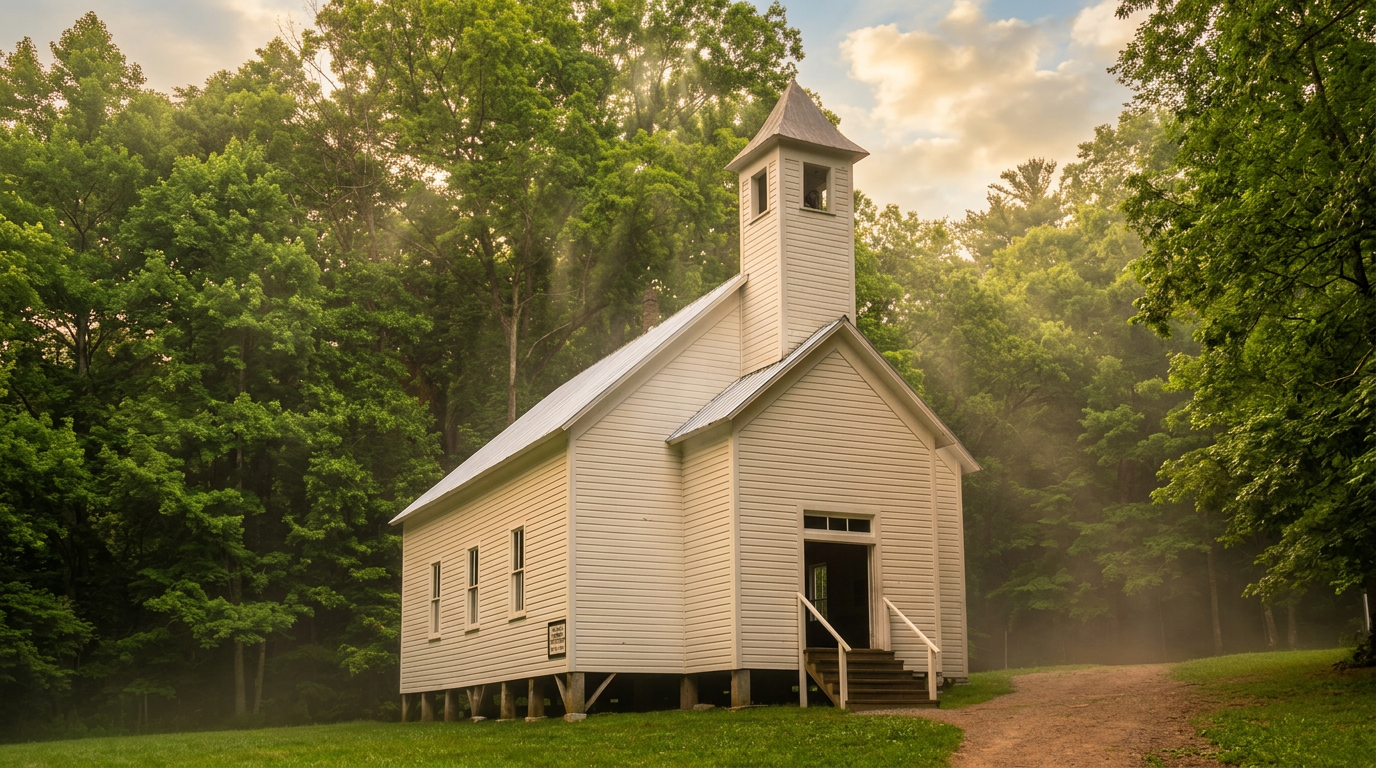 11
11 Missionary Baptist Church
Cades Cove: A Window to Pioneer Life · built 1839
Preserved church in the Cades Cove: A Window to Pioneer Life area (built 1839).
-
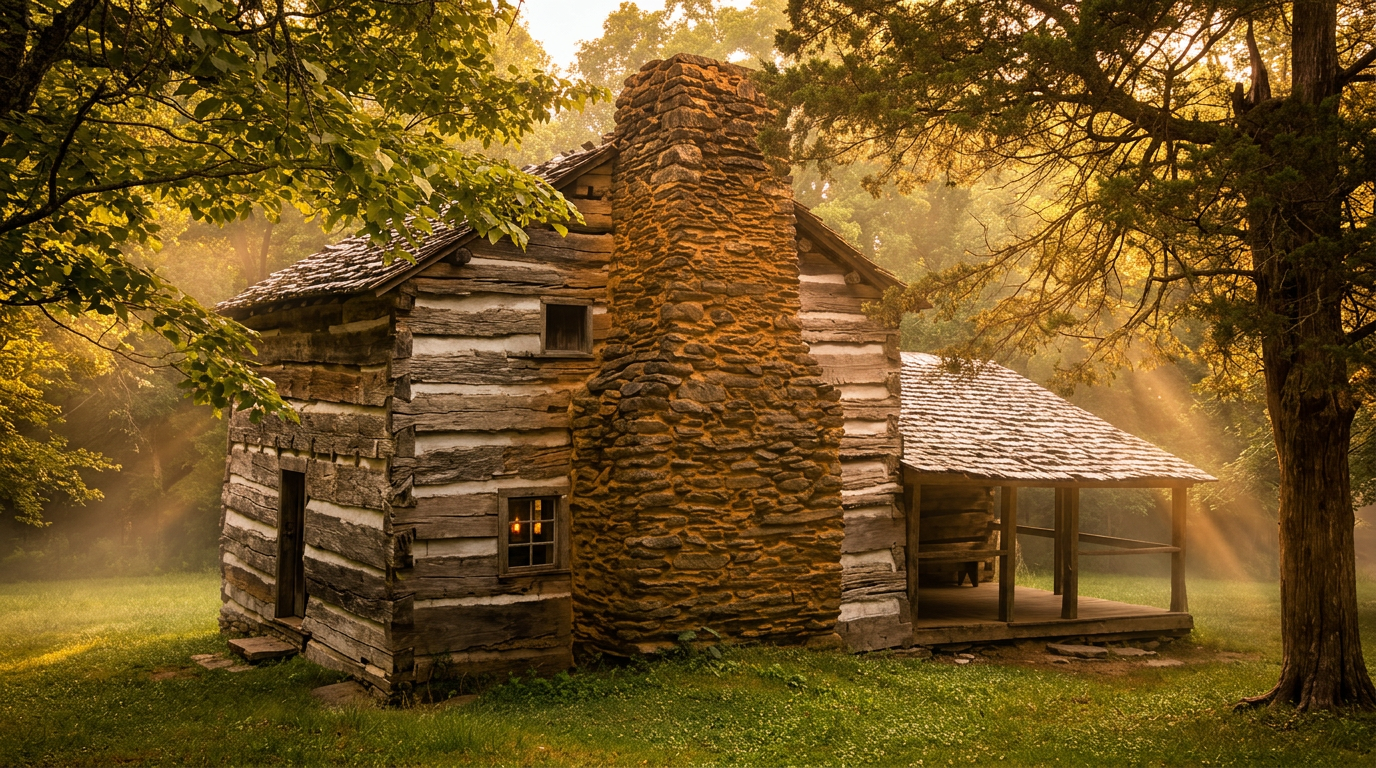 12
12 Walker Sisters Cabin
Walker Sisters Place: A Testament to Resilience · built 1840
Preserved cabin complex (cabin, springhouse, smokehouse, corn crib) in the Walker Sisters Place: A Testament to Resilience area (built 1840).
-
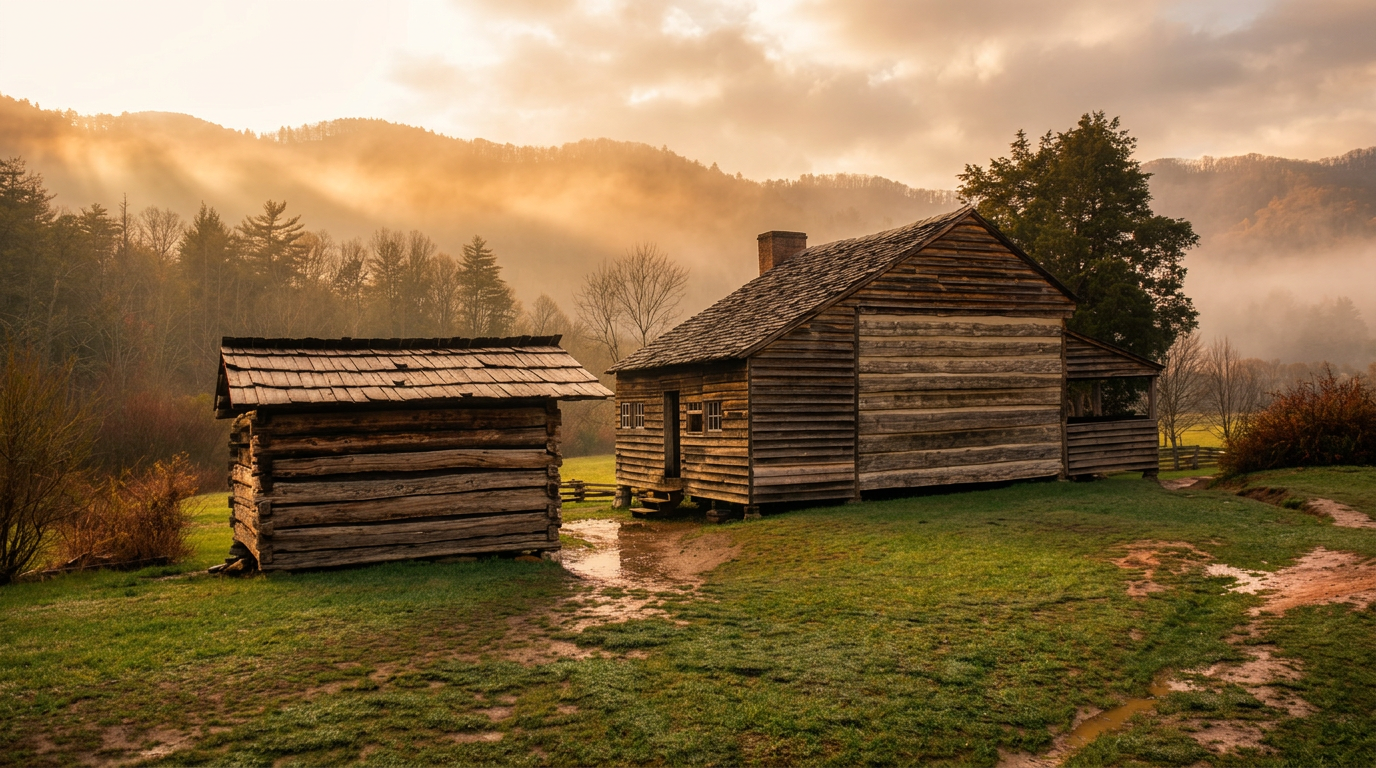 13
13 Dan Lawson Place
Cades Cove: A Window to Pioneer Life · built 1856
Preserved cabin complex (cabin, smokehouse, corn crib, barn) in the Cades Cove: A Window to Pioneer Life area (built 1856).
-
 14
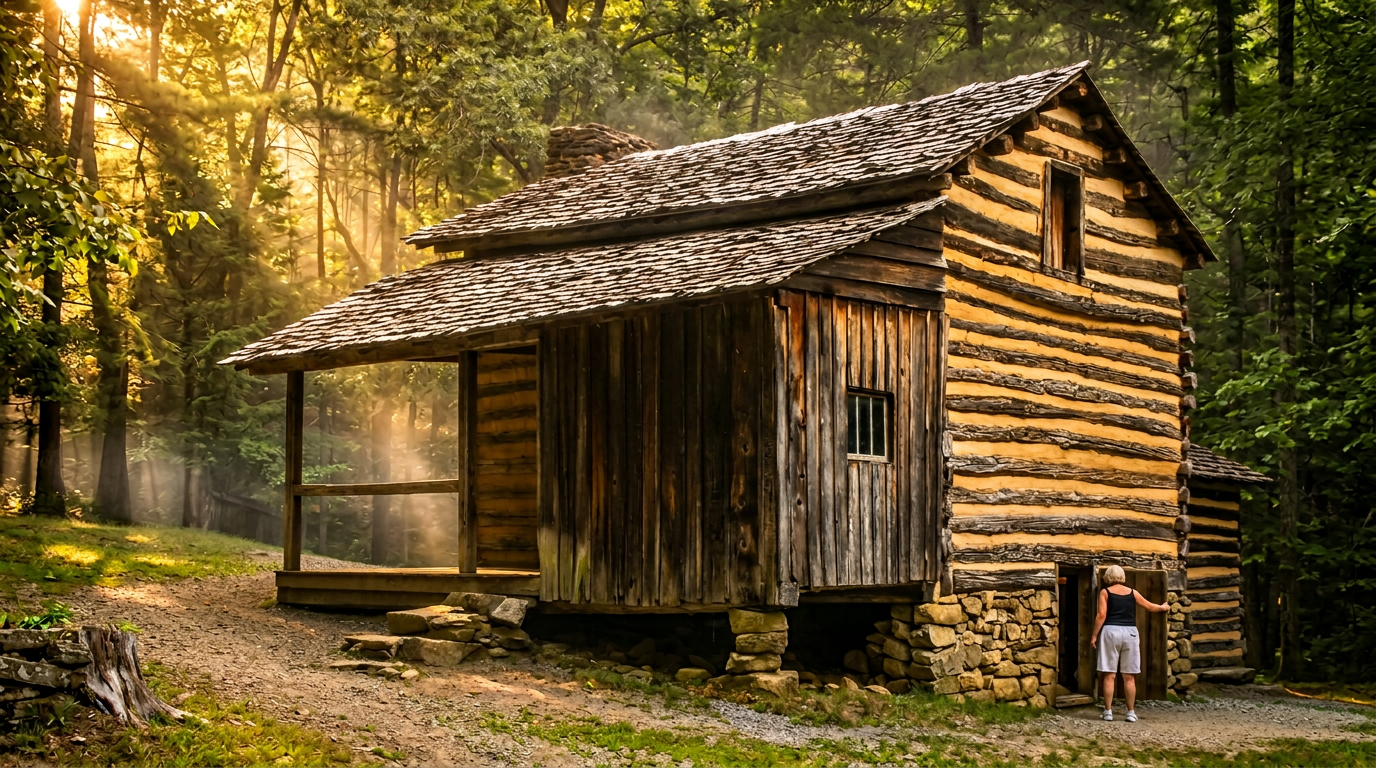
14 Elijah Oliver Place
Cades Cove: A Window to Pioneer Life · built 1866
Preserved cabin complex (cabin, springhouse, smokehouse, barn) in the Cades Cove: A Window to Pioneer Life area (built 1866).
-
 15
15 Cable Mill
Cades Cove: A Window to Pioneer Life · built 1867
Preserved grist mill in the Cades Cove: A Window to Pioneer Life area (built 1867).
-
 16
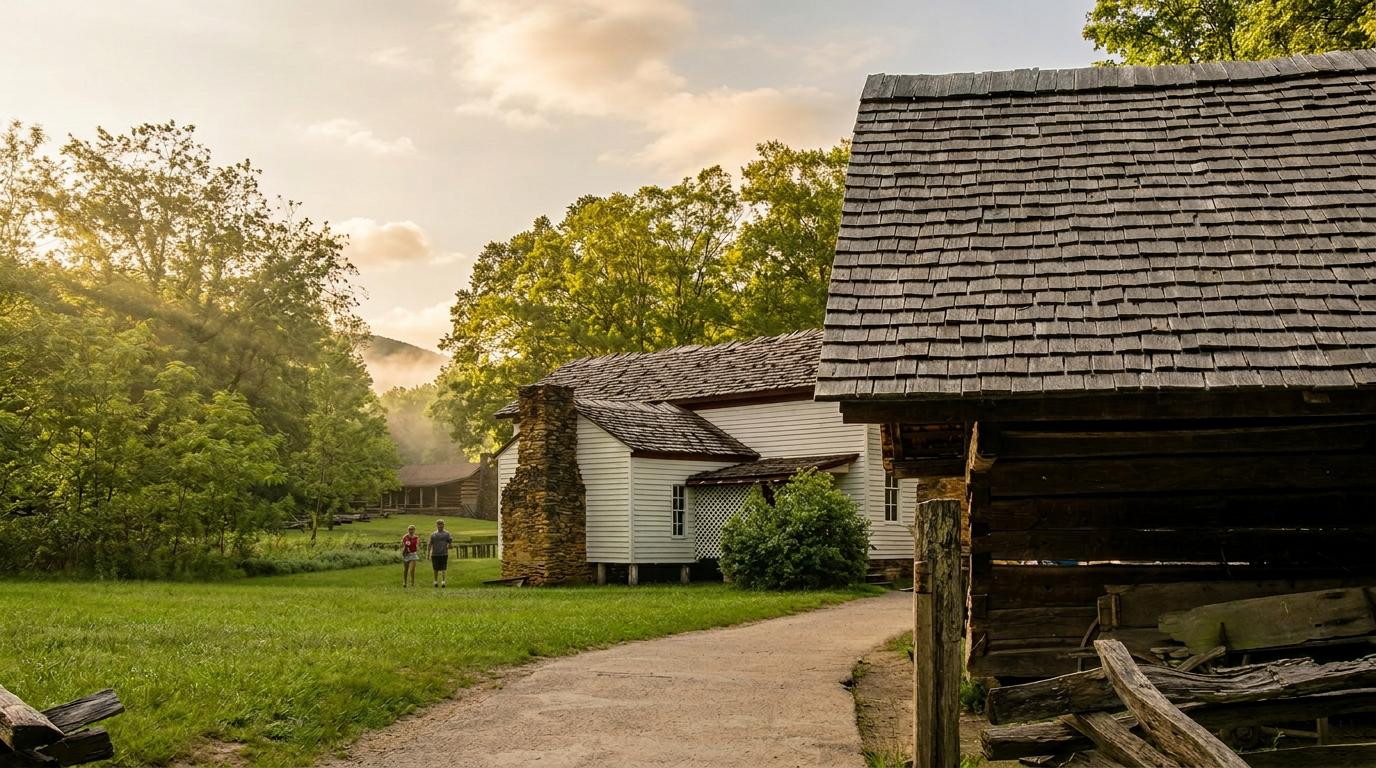
16 Gregg-Cable House
Cades Cove: A Window to Pioneer Life · built 1870
Preserved cabin in the Cades Cove: A Window to Pioneer Life area (built 1870).
Good to know
Best Historic Sites in the Smokies: FAQ
Do you need a reservation to visit these historic sites?
Is Cable Mill actually operational, or just preserved?
Can you visit Cades Cove without a car?
How did all those buildings end up together at the Mountain Farm Museum?
What's the story behind the Walker Sisters Cabin, and why is it different from the others?
Where to stay
Near the historic Smokies
Pick your spots, then lock in where you'll sleep. Compare live cabin, hotel, and rental prices nearby across Booking.com, Vrbo, and Expedia.
Map powered by Stay22. Prices and availability update live.
Keep exploring