
Camping
Best Frontcountry Campgrounds in GSMNP
9 curated picks · verified 2026-05-28
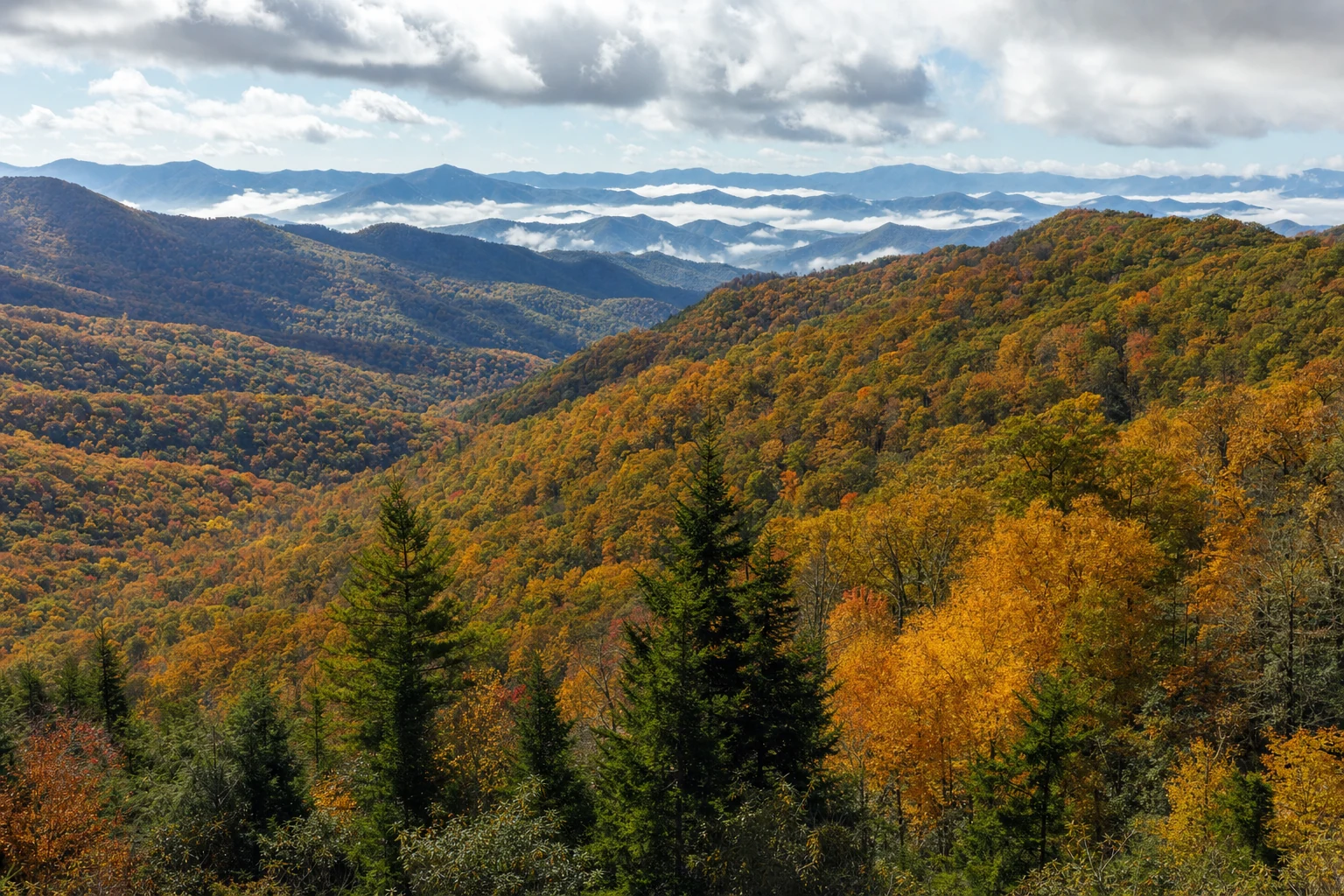
The Great Smoky Mountains has more frontcountry campgrounds than most visitors realize, and they're not interchangeable. Elkmont fills up in July because it's three miles from Gatlinburg and a short walk from Laurel Falls; Cosby gets maybe a third the traffic on any given night, same park, same forests, but the road in is narrower and the trailheads harder. Cataloochee requires a winding drive through a mountain gap and offers only 27 sites, which is why elk walk through camp at dusk without bothering to look up.
This list covers all nine frontcountry campgrounds in GSMNP, ranked by setting, trail access, crowd load, and what makes each worth the trip rather than just a place to sleep. Every campground here sits within park boundaries. No hookups, no cell service worth counting on. GSMNP charges no entrance fee (unusual for a park its size), but you will pay a nightly camping fee, plus a Park-It-Forward parking tag if you're driving to trailheads during the day. The tag runs $5/day or $15/week and is purchased through Recreation.gov or self-service kiosks; overnight campers' parking at their own campground is generally covered by the camping fee, but verify current park guidance before arrival.
A few practical notes that apply across all nine:
- Most campgrounds require reservations through Recreation.gov, especially May through October. Same-day sites exist but are rare on weekends.
- Bears are active throughout the park year-round. All food, coolers, and scented items must go in the bear-proof box at your site or a bear canister.
- Peak crowding hits in July and the second half of October during fall color. Late April through early June offers lower site competition and open trails.
The Tennessee side campgrounds (Elkmont, Cades Cove, Cosby, Look Rock, Abrams Creek) and the North Carolina side (Smokemont, Deep Creek, Cataloochee, Big Creek) feel noticeably different. NC is quieter with fewer nearby services, and the drives in are more remote.
The rankings below weigh character over convenience. A great campground gives you a reason to stay beyond the check-in.
- 1
Elkmont Campground
frontcountry · 220 sites
Located along the Little River, Elkmont is one of the most popular campgrounds, known for its scenic beauty, proximity to hiking trails (e.g., Laurel Falls, Gatlinburg Trail), and the historic Elkmont Ghost Town.
- 2
Cades Cove Campground
frontcountry · 159 sites
Located within the iconic Cades Cove loop, this campground offers easy access to the valley's historic sites, wildlife viewing, and hiking/biking opportunities.
- 3
Cosby Campground
frontcountry · 157 sites
A more rustic and quieter option on the Tennessee side, Cosby is known for its peaceful atmosphere and access to challenging hiking trails.
- 4
Smokemont Campground
frontcountry · 142 sites
Situated on the North Carolina side of the park, near Cherokee, Smokemont offers a similar experience to Elkmont with tent and RV sites (no hookups).
- 5
Deep Creek Campground
frontcountry · 92 sites
Near Bryson City, NC, Deep Creek is popular for its tubing opportunities on Deep Creek and access to waterfalls.
- 6
Look Rock Campground
frontcountry · 68 sites
Frontcountry campground near Gatlinburg with 68 sites.
- 7
Cataloochee Campground
frontcountry · 27 sites
Frontcountry campground near Maggie Valley with 27 sites.
- 8
Abrams Creek Campground
frontcountry · 16 sites
Frontcountry campground near Gatlinburg with 16 sites.
- 9
Big Creek Campground
frontcountry · 12 sites
A small, primitive campground on the North Carolina side, offering a very rustic experience.
Good to know
Best Frontcountry Campgrounds in GSMNP: FAQ
Do any of these campgrounds have electrical or water hookups?
How far in advance do I need to reserve a site?
What is the Park-It-Forward parking tag, and do overnight campers need one?
Which campgrounds on this list are open year-round?
How serious is the bear situation at these campgrounds?
Where to stay
Near GSMNP campgrounds
Pick your spots, then lock in where you'll sleep. Compare live cabin, hotel, and rental prices nearby across Booking.com, Vrbo, and Expedia.
Map powered by Stay22. Prices and availability update live.
Keep exploring